

Choosing the right dog breed is a crucial step for first-time dog owners. The decision goes beyond appearance or size; it directly affects the ease of training and the overall harmony between owner and pet. For beginners, selecting a breed known for its trainability can make the difference between a rewarding experience and a frustrating one. Understanding the traits that contribute to a dog’s ability to learn commands, adapt to routines, and respond to guidance is essential for setting realistic expectations and building a strong bond.
Trainability plays a significant role in shaping the day-to-day life of any dog owner. Dogs that are easier to train tend to pick up commands quickly, respond well to positive reinforcement, and adapt smoothly to household rules. This not only reduces stress during the early stages of ownership but also helps prevent behavioral issues that can arise from misunderstandings or inconsistent training. For beginners, breeds with a natural inclination to please their owners and a calm, focused temperament often provide the most straightforward path to success.
Several key traits influence how easy a dog breed is to train. Intelligence is a primary factor, as dogs with higher problem-solving skills and quick learning abilities tend to grasp new commands faster. Temperament also matters; breeds that are eager to please and patient during training sessions respond better to consistent guidance. Additionally, energy levels affect attention span and willingness to engage in training exercises. Dogs with balanced energy are often more receptive to learning without becoming distracted or overwhelmed.
For those interested in exploring a variety of options, a comprehensive list of dog breeds offers valuable insights into size, temperament, and other important characteristics. Understanding these factors helps beginners make informed choices that align with their lifestyle and training goals, ensuring a smoother transition into dog ownership and a more enjoyable companionship.
Table of Contents
Characteristics That Contribute to Trainability
Intelligence and Problem-Solving Ability
One of the most significant factors influencing how easy a dog breed is to train lies in its intelligence and problem-solving skills. Intelligence in dogs goes beyond simple obedience; it encompasses the ability to understand new commands quickly, adapt to changing situations, and solve problems independently. These traits are essential for effective training, especially for beginners who benefit from dogs that can grasp instructions without repeated corrections.
Quick learning and adaptability are hallmarks of intelligent breeds. Dogs that learn rapidly can pick up on verbal cues, hand signals, and routines with minimal repetition. This reduces the time and effort required to teach basic commands such as sit, stay, or come. Adaptability also means the dog can adjust to new environments or changes in routine without becoming anxious or confused, which is particularly important for families who may travel or move frequently.
Responsiveness to commands is closely tied to intelligence but also reflects a dog’s willingness to engage with its owner. Intelligent dogs often show a natural curiosity and eagerness to interact, which makes them more attentive during training sessions. This responsiveness helps maintain focus and encourages a positive feedback loop where the dog associates training with rewards and praise.
Another critical aspect is the ability to retain training over time. Some breeds may learn commands quickly but struggle to remember them consistently, which can lead to frustration for new owners. Breeds with strong memory and retention skills maintain obedience even after breaks in training, making them more reliable companions. This trait is especially valuable for busy owners who may not have time for daily training sessions but still want a well-behaved dog.
When considering popular dog breeds, intelligence often ranks high among the best dog breeds for training. For example, Border Collies and Poodles are renowned for their problem-solving abilities and quick learning, making them favorites among trainers and owners alike. However, intelligence alone does not guarantee trainability; it must be paired with the right temperament and energy levels to create an ideal learning environment.
Temperament and Eagerness to Please
Temperament plays a pivotal role in how easily a dog can be trained. A dog’s natural disposition affects its willingness to cooperate, patience during training, and overall behavior patterns. Breeds with a calm, eager-to-please temperament tend to respond better to commands and are more motivated by positive reinforcement techniques.
Willingness to cooperate with owners is a defining trait of many beginner dog breeds. Dogs that enjoy working alongside their humans are more likely to engage actively in training sessions and follow instructions without resistance. This cooperative nature reduces the need for harsh corrections and fosters a trusting relationship between dog and owner.
Patience and calmness during training sessions are equally important. Dogs that become easily frustrated or distracted may struggle to focus, making training more challenging. A patient temperament allows dogs to absorb new information at a steady pace, which is especially beneficial for owners who are still developing their dog training skills. Calm dogs are also less likely to develop anxiety-related behaviors, which can interfere with learning.
Social nature is another key factor supporting effective training. Dogs that enjoy interacting with people and other animals tend to respond well to social rewards such as praise, petting, and playtime. This social motivation enhances the effectiveness of positive reinforcement, encouraging dogs to repeat desired behaviors. Family friendly dogs often exhibit these traits, making them excellent choices for households with children or multiple pets.
Temperament varies widely across dog breed characteristics, so understanding a breed’s typical behavior patterns is essential. For example, Labrador Retrievers are known for their friendly and eager-to-please nature, which contributes to their reputation as one of the best dog breeds for families and beginners. Conversely, some breeds may have more independent or stubborn temperaments, requiring more experienced handling.
Energy Levels and Exercise Needs
Energy levels and exercise requirements significantly influence a dog’s trainability. A dog’s ability to focus during training is often linked to how well its physical and mental energy needs are met. Striking the right balance between activity and concentration is crucial for maintaining engagement and preventing frustration for both dog and owner.
Balance between activity and focus means that dogs with moderate energy levels are often the easiest to train. High-energy breeds may become restless or distracted if their exercise needs are not adequately fulfilled, making it difficult to hold their attention during training sessions. On the other hand, dogs with very low energy might lack the motivation to participate actively in training exercises. Finding a breed whose dog breed energy levels align with the owner’s lifestyle is key to successful training.
The impact of energy on attention span cannot be overstated. Dogs that are physically tired tend to be more receptive to learning because they are less likely to become overstimulated or distracted. Regular exercise helps channel excess energy into productive outlets, allowing training sessions to be more focused and effective. This is particularly important for large dog breeds, which often require more physical activity to stay calm and attentive.
Suitability for various living environments also ties into energy and exercise needs. Small dog breeds with moderate energy levels may adapt well to apartment living and shorter training sessions, while larger, more active breeds typically thrive in homes with ample outdoor space. Matching a dog’s energy profile to the owner’s environment ensures that training remains a positive experience rather than a source of stress.
Understanding these factors is part of a comprehensive dog breed size guide and energy assessment that helps prospective owners choose breeds that fit their daily routines. For beginners, selecting easy to train dogs with manageable energy levels can simplify the learning process and foster a stronger, more enjoyable bond.
Top Dog Breeds Known for Ease of Training
Border Collie
The Border Collie consistently ranks among the most intelligent and trainable dog breeds worldwide. Known for their exceptional intelligence and work ethic, these dogs excel in learning complex commands and tasks quickly. Their problem-solving skills are unmatched, maki
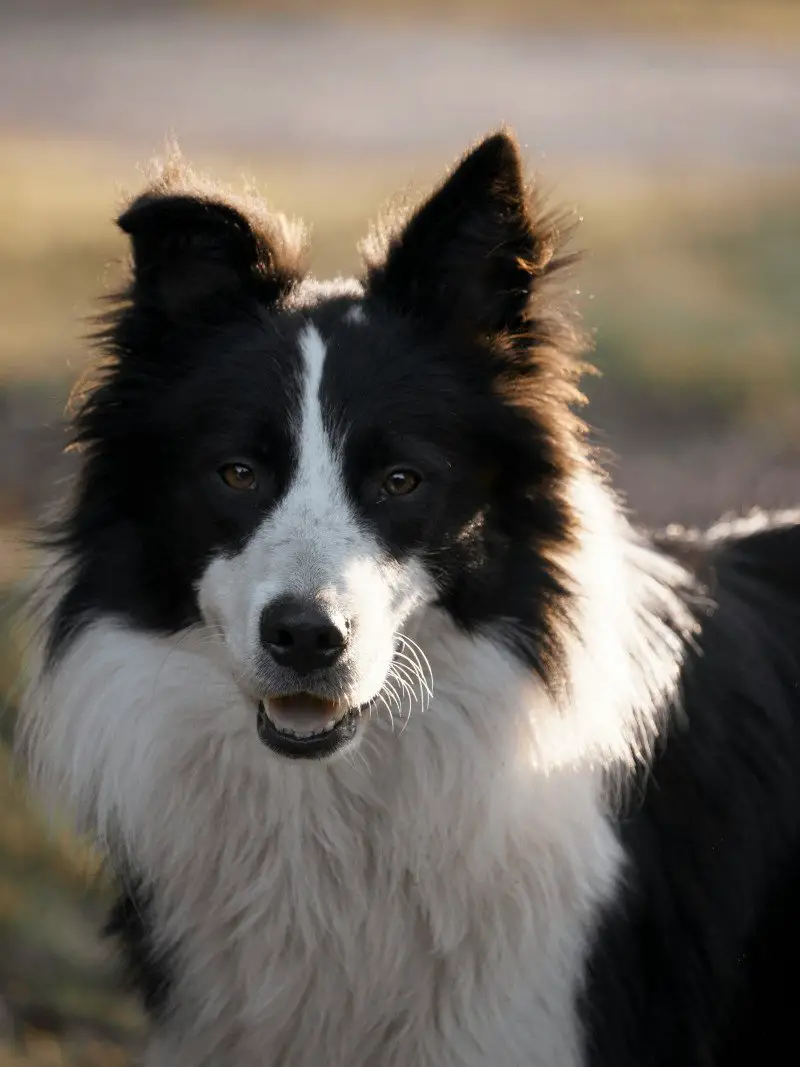
ng them a favorite choice for owners who want a highly responsive and capable companio
n. This breed’s intelligence is a key factor in why it is often considered one of the best dog breeds for training, especially for those who are willing to invest time and effort into consistent learning sessions.
Border Collies possess high energy levels that are balanced by an intense focus during work or training. This combination allows them to channel their physical and mental energy into productive activities, making them ideal for owners who lead active lifestyles. Their energy is not just physical; it is also mental, requiring regular stimulation to prevent boredom and destructive behavior. For this reason, they thrive in environments where they can engage in agility, obedience, or herding exercises. The breed’s dog breed temperament is characterized by alertness, eagerness to please, and a strong desire to work alongside their human partners.
While Border Collies are among the easiest dogs to train, they are best suited for owners who can commit to regular, structured training and exercise. Their need for mental and physical engagement means they may not be the best fit for every household, particularly those with limited time or space. However, for active owners who enjoy outdoor activities and consistent interaction, the Border Collie offers an unparalleled training experience. Their ability to learn quickly and retain commands makes them a standout choice among popular dog breeds for those seeking a highly trainable companion.
Photo by Mario Amé on Unsplash
Labrador Retriever
Labrador Retrievers are widely recognized as one of the most family friendly dogs and among the best dog breeds for beginners. Their friendly and eager-to-please temperament makes them highly responsive to training and socialization. Labradors are known for their gentle nature, patience, and strong desire to cooperate with their owners, which contributes to their reputation as easy to train dogs. These qualities make them an excellent choice for families, first-time dog owners, and those looking for a versatile companion.
The versatility of the Labrador Retriever extends to their ability to learn a wide range of tasks, from basic obedience to specialized roles such as therapy, service, and search-and-rescue work. Their adaptability to different training methods and environments highlights their intelligence and willingness to engage. This breed’s dog breed behavior patterns include a strong social instinct, which supports obedience and responsiveness during training sessions. Labradors thrive on positive reinforcement and social interaction, making training a rewarding experience for both dog and owner.
In terms of dog breed energy levels, Labradors have a moderate to high activity requirement, which aligns well with active families or individuals who enjoy outdoor activities. Their size and temperament make them suitable for various living situations, from suburban homes with yards to more spacious rural environments. Understanding the Labrador’s dog breed size guide and energy needs helps owners provide the right balance of exercise and mental stimulation, ensuring successful training outcomes. Their combination of intelligence, temperament, and social nature firmly establishes them as one of the most popular dog breeds worldwide.
Poodle
Poodles are renowned for their high intelligence and quick learning ability, placing them among the top breeds for trainability. Their sharp minds allow them to grasp new commands rapidly and adapt to various training styles, whether through traditional obedience training, agility, or even canine sports. This adaptability makes Poodles a favorite among owners seeking a dog that can excel in multiple disciplines. Their dog breed intelligence is complemented by a strong desire to please, which enhances their responsiveness during training sessions.

Photo by Hans Ole Benonisen on UnsplashOne of the unique advantages of Poodles is their hypoallergenic coat, which sheds very little and is often preferred by owners with allergies. This characteristic adds to their appeal as family friendly dogs, especially in households where allergies might otherwise limit dog ownership. Beyond their coat, Poodles exhibit a calm and patient dog breed temperament that supports consistent training and socialization. Their ability to remain focused and engaged during training makes them ideal for beginners and experienced owners alike.
In addition to their intelligence and temperament, Poodles are highly adaptable to different living environments and training methods. Whether living in an apartment or a larger home, they adjust well as long as their mental and physical exercise needs are met. Their dog breed energy levels are moderate, requiring regular activity to stay healthy and happy but not so high as to overwhelm less active owners. This balance, combined with their trainability and hypoallergenic qualities, makes Poodles a standout choice among small dog breeds and beyond.
Tips for Beginners to Maximize Training Success
Consistency and Positive Reinforcement Techniques
Consistency is one of the most important dog breed training tips for beginners aiming to achieve successful results. Regular training sessions help dogs understand what is expected of them and reinforce good behavior over time. Without consistency, even the easiest to train dogs can become confused or develop bad habits. Establishing a daily routine for training, even if it’s just for a few minutes, creates a structured environment where dogs can thrive and learn effectively.
Using rewards to encourage desired behavior is a cornerstone of positive reinforcement. Treats, praise, toys, or playtime can motivate dogs to repeat commands and behaviors that please their owners. This approach aligns well with the dog breed temperament of many popular dog breeds, which often respond better to encouragement than to punishment. Positive reinforcement builds trust and strengthens the bond between dog and owner, making training a more enjoyable experience for both.
Avoiding punishment is crucial to maintaining trust and preventing fear or anxiety in dogs. Harsh corrections or negative reinforcement can damage the relationship and hinder progress. Instead, focusing on rewarding good behavior and redirecting unwanted actions helps dogs learn in a supportive environment. This method is especially effective for family friendly dogs and beginner dog breeds, which benefit from gentle guidance and patience.
Consistency and positive reinforcement also help address dog breed behavior patterns that may vary between breeds. For example, some small dog breeds may be more sensitive and require a softer approach, while certain large dog breeds might need clear boundaries combined with encouragement. Understanding these nuances and applying consistent, reward-based training techniques ensures that dogs of all sizes and temperaments can succeed.
Setting Realistic Goals and Expectations
Setting realistic goals and expectations is essential for beginners to maintain motivation and avoid frustration during the training process. Every dog is unique, and understanding dog breed characteristics helps owners tailor their approach to fit their dog’s specific needs. Recognizing that some breeds may take longer to learn certain commands or behaviors allows owners to be patient and persistent without becoming discouraged.
Understanding breed-specific traits is a key part of setting achievable goals. For instance, breeds with high dog breed intelligence may quickly master complex commands, while others with more independent temperaments might require additional repetition and encouragement. Familiarity with a dog’s typical behavior patterns and energy levels helps owners create training plans that align with their dog’s natural abilities and limitations.
Patience with the learning process is vital. Training is not a one-time event but an ongoing journey that requires time and effort. Beginners should expect gradual progress and celebrate small victories along the way. This mindset fosters a positive training environment and encourages continued commitment.
Adjusting the training pace to the dog’s progress ensures that sessions remain productive and engaging. Pushing a dog too quickly can lead to confusion or resistance, while moving too slowly may result in boredom. Monitoring the dog’s responses and adapting accordingly helps maintain focus and enthusiasm. This approach is particularly important when working with a dog breed size guide that includes a variety of breeds with differing energy and attention spans.
Seeking Professional Guidance When Needed
Professional guidance can be invaluable for beginners who want to maximize their dog’s training success. Puppy classes and obedience training offer structured environments where dogs learn foundational skills under the supervision of experienced trainers. These classes also provide socialization opportunities, which are critical for developing well-rounded family friendly dogs.
Knowing when to consult a professional trainer is important. If a dog exhibits persistent behavioral issues or if training progress stalls, expert intervention can provide tailored solutions and techniques. Trainers can assess dog breed temperament and behavior patterns to recommend strategies that address specific challenges effectively.
Utilizing online resources and community support further enhances training efforts. Many websites, forums, and social media groups offer valuable dog breed training tips, advice, and encouragement from fellow dog owners and professionals. Engaging with these communities helps beginners stay informed and motivated, while also providing access to a wealth of knowledge about popular dog breeds and their unique needs.
Combining professional guidance with consistent home training creates a comprehensive approach that benefits both dog and owner. This balanced strategy ensures that even those new to dog ownership can develop confident, well-behaved companions, regardless of breed or size.
Choosing the Right Breed and Training Approach for Lasting Success
Selecting a dog breed with natural trainability can significantly simplify the learning curve for beginners. Dogs that possess key traits such as intelligence, a cooperative temperament, and balanced energy levels tend to respond more readily to training efforts. This inherent trainability reduces the time and frustration often associated with teaching new commands and establishing household routines. For first-time dog owners, choosing breeds known for their ease of training—whether small dog breeds or larger, more active types—provides a solid foundation for building a positive relationship with their pet.
Understanding dog breed characteristics is essential in making an informed choice. Some breeds are naturally more inclined to please their owners and adapt quickly to new environments, while others may require more patience and specialized training techniques. By aligning a dog’s natural abilities with the owner’s lifestyle and experience level, the training process becomes more efficient and enjoyable. This alignment also helps prevent common behavioral issues that arise when a dog’s needs or temperament are mismatched with its living situation or owner’s expectations.
Moreover, selecting a breed with a reputation for trainability often means fewer challenges in socialization, obedience, and daily management. Family friendly dogs that are easy to train can integrate smoothly into households with children or other pets, enhancing the overall quality of life for everyone involved. Whether considering popular dog breeds or hypoallergenic dog breeds, prioritizing trainability ensures that the dog can thrive in its new home and respond well to consistent guidance.
Combining the right breed choice with effective training methods leads to a rewarding dog ownership experience. Even the most intelligent and eager-to-please dogs require structured, consistent training to reach their full potential. Employing positive reinforcement techniques, setting realistic goals, and maintaining patience throughout the process are critical components of successful training. These methods foster trust and communication between dog and owner, creating a partnership built on mutual respect and understanding.
Effective training also involves adapting to the unique dog breed behavior patterns and energy levels of each individual dog. Recognizing when to seek professional guidance or utilize community resources can further enhance training outcomes. This comprehensive approach ensures that both the dog’s physical and mental needs are met, promoting well-being and reducing the likelihood of behavioral problems.
Ultimately, the combination of choosing a naturally trainable breed and applying proven training strategies results in a fulfilling and harmonious relationship. For beginners, this means fewer obstacles and more opportunities to enjoy the companionship, loyalty, and joy that a well-trained dog brings to everyday life. With the right preparation and commitment, dog ownership becomes a deeply satisfying experience that benefits both owner and pet for years to come.