

Hypoallergenic dog breeds have become increasingly important for individuals and families who want to enjoy the companionship of a dog without the discomfort of allergic reactions. These breeds are known for producing fewer allergens, making them a preferred choice for allergy sufferers. Unlike popular belief, hypoallergenic does not mean allergen-free; rather, it refers to dogs that tend to shed less dander, saliva, and fur—common triggers for allergies. Understanding what makes a dog breed hypoallergenic is essential for anyone considering adding a furry friend to their home, especially in 2025 when awareness and options continue to expand.
Many misconceptions surround hypoallergenic dogs. One common myth is that certain breeds do not cause allergies at all, which is not accurate. Allergic reactions vary widely among individuals, and even hypoallergenic breeds can trigger symptoms in sensitive people. Another misunderstanding is that coat type alone determines allergen levels. While breeds with curly or wiry coats often shed less, allergen production is influenced by multiple factors including skin oils and saliva. Recognizing these nuances helps set realistic expectations and guides better decision-making when selecting a dog.
Choosing the right breed is particularly crucial for allergy sufferers who want to avoid frequent discomfort while still enjoying the benefits of pet ownership. With a growing variety of hypoallergenic dog types available, from small dog breeds perfect for apartment living to larger, active dog breeds suited for outdoor lifestyles, there is a suitable option for nearly every household. Proper selection not only improves quality of life but also ensures a harmonious relationship between owner and pet. For those interested in exploring a wide range of options, a comprehensive dog breeds guide can provide valuable insights into breed characteristics and care requirements.
Table of Contents
Understanding Hypoallergenic Traits in Dogs
Definition and Scientific Basis of Hypoallergenic Qualities
Hypoallergenic dog types are those breeds that tend to produce fewer allergens, making them more suitable for people with allergies. Allergens primarily come from proteins found in a dog’s dander (dead skin cells), saliva, and urine. When these proteins become airborne or come into contact with the skin, they can trigger allergic reactions in sensitive individuals. Unlike popular dog breeds that shed heavily and spread dander widely, hypoallergenic breeds typically shed less or have hair that traps dander more effectively, reducing allergen dispersal.
It’s important to understand that hypoallergenic does not mean allergen-free. No dog breed is completely free of allergens, but some breeds produce significantly lower levels, which can make a noticeable difference for allergy sufferers. The scientific basis for hypoallergenic qualities lies in the amount and type of proteins produced, as well as how much fur and dander a dog sheds. For example, breeds with curly or wiry coats, such as Poodles or Bichon Frises, tend to trap dander within their hair, preventing it from becoming airborne as easily as in breeds with straight, shedding coats.
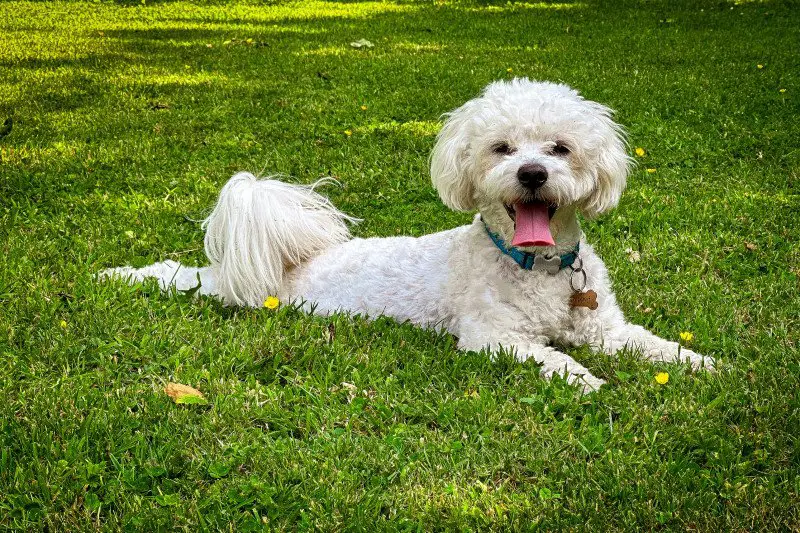
Photo by Nick Fewings on Unsplash
Shedding and allergen production are related but distinct factors. Shedding refers to the amount of hair a dog loses, while allergen production is about the proteins that cause allergic reactions. Some low shedding dog breeds still produce saliva or skin proteins that can trigger allergies, while some heavy shedders may produce fewer allergens. Understanding these differences is key when selecting a dog based on hypoallergenic traits.
Factors Influencing Allergen Levels Beyond Breed
While breed plays a significant role in allergen levels, several other factors influence how much allergen is present in a home. Grooming habits are among the most important. Regular brushing and bathing can reduce the amount of dander and loose hair, minimizing allergen spread. Using hypoallergenic shampoos and grooming tools designed to trap dander can further help control allergens. Professional grooming services can also maintain coat health and reduce shedding, especially for breeds known for their hypoallergenic qualities.
Environmental factors also impact allergen presence. Homes with good ventilation, air filtration systems, and frequent cleaning tend to have lower allergen levels. Carpets, upholstery, and curtains can trap dander, so choosing flooring and furniture materials that are easy to clean can make a significant difference. Creating pet-free zones, such as bedrooms, helps reduce allergen exposure in critical areas.
Individual variations in allergic reactions are another important consideration. Some people may react strongly to certain breeds while experiencing minimal symptoms with others. This variability means that even among the best dogs for allergies, personal experience is the ultimate test. Spending time with a dog before adoption is essential to gauge any allergic response and ensure compatibility.
Common Myths Debunked About Hypoallergenic Dogs
Several myths surround hypoallergenic dogs, often leading to confusion and unrealistic expectations. One widespread misconception is that any hypoallergenic dog is completely allergen-free. In reality, no dog can guarantee zero allergens. Even breeds labeled as hypoallergenic produce some level of dander and saliva proteins that can cause reactions in sensitive individuals.
Another myth is that coat type alone determines allergen levels. While coat texture and shedding patterns influence allergen dispersal, they are not the sole factors. For example, some short-haired breeds shed heavily and produce allergens, while certain long-haired breeds with dense, curly coats may shed less and trap dander more effectively. Therefore, relying solely on coat type without considering other factors can be misleading.
Finally, the importance of spending time with a dog before adoption cannot be overstated. Allergic reactions vary widely, and what works for one person may not work for another. Visiting breeders, shelters, or foster homes to interact with specific breeds or individual dogs helps prospective owners assess their own sensitivity. This hands-on approach is the most reliable way to find a hypoallergenic dog that fits both lifestyle and allergy considerations.
Top Hypoallergenic Dog Breeds for 2025
Small to Medium-Sized Breeds Ideal for Allergy Sufferers
Small dog breeds often appeal to those living in apartments or smaller homes, and many hypoallergenic dog types fall into this category. These breeds combine manageable size with low shedding coats, making them some of the best dogs for allergies. Their dog breed characteristics typically include friendly temperaments and adaptability, which also makes them excellent family friendly dogs.
The Bichon Frise is a standout among small hypoallergenic breeds. Known for its fluffy, curly coat that traps dander effectively, the Bichon Frise sheds very little, reducing allergen spread. This breed is also known for its cheerful and affectionate dog breed temperament, making it a popular choice for families and individuals alike. Care needs include regular grooming to prevent matting and maintain coat health, but overall, the Bichon Frise is considered an easy care dog breed with moderate exercise requirements.
The Maltese is another small breed favored for its hypoallergenic qualities. With a long, silky coat that sheds minimally, the Maltese produces fewer allergens compared to many popular dog breeds. Its temperament is gentle and playful, making it a great companion for apartment living and households with children. Regular brushing and occasional professional grooming are necessary to keep the coat in good condition, but the Maltese remains a low maintenance option for allergy sufferers.
Miniature Schnauzers offer a slightly more robust option within the small to medium size range. These dogs have a wiry, dense coat that sheds very little, classifying them among the low shedding dog breeds. Their dog breed characteristics include intelligence, alertness, and a friendly nature, which makes them excellent pet friendly dog breeds. Grooming is essential to control allergens, involving regular brushing and trimming to maintain the coat’s hypoallergenic properties. Miniature Schnauzers also enjoy active lifestyles, so they benefit from daily exercise and mental stimulation.
Larger Hypoallergenic Breeds Suitable for Active Lifestyles
For those seeking larger dogs with hypoallergenic traits, several breeds combine size, intelligence, and low allergen production. These breeds are often well-suited for active owners who enjoy outdoor activities and exercise. Understanding the dog breed size chart helps prospective owners match their lifestyle with the right breed, ensuring both dog and owner thrive.
The Portuguese Water Dog is a prime example of a large hypoallergenic breed. Known for its curly, water-resistant coat, this breed sheds minimally and produces fewer allergens. Its dog breed temperament is energetic, intelligent, and loyal, making it a great companion for active families and individuals. Exercise requirements are high, as Portuguese Water Dogs thrive on swimming, running, and engaging in various activities. Regular grooming is necessary to maintain the coat’s health and hypoallergenic qualities.
The Standard Poodle is one of the most recognized hypoallergenic dog types, combining intelligence with a low shedding coat. This breed is highly trainable and adaptable, fitting well into many family friendly dogs categories. Their curly fur traps dander and reduces allergen spread, making them a top choice for allergy sufferers. Standard Poodles require consistent grooming to prevent matting and maintain coat quality. Their active nature means they benefit from daily exercise and mental challenges, making them ideal for owners who enjoy an active lifestyle.
The Soft Coated Wheaten Terrier offers a unique blend of personality and hypoallergenic benefits. This medium to large breed has a soft, wavy coat that sheds very little, placing it among the best dogs for allergies. Known for its friendly and outgoing dog breed temperament, the Wheaten Terrier is both a loyal companion and an excellent pet friendly dog breed. Maintenance involves regular brushing and occasional trimming to keep the coat healthy and allergen levels low. This breed enjoys moderate exercise and social interaction, fitting well into active households.
Emerging and Lesser-Known Hypoallergenic Breeds Gaining Popularity
Beyond the well-known hypoallergenic breeds, several emerging and lesser-known dogs are gaining attention for their allergy-friendly qualities. These breeds often combine unique dog breed characteristics with hypoallergenic coats, offering new options for allergy sufferers seeking something different.
The Lagotto Romagnolo is an Italian breed originally bred for truffle hunting. It features a dense, curly coat that sheds minimally, making it a strong candidate among hypoallergenic dog types. Its temperament is affectionate, intelligent, and eager to please, which makes it a great family friendly dog. The Lagotto Romagnolo requires regular grooming to maintain its coat and reduce allergens, but it is generally considered an easy care dog breed with moderate exercise needs.
The Kerry Blue Terrier is another lesser-known breed with hypoallergenic qualities. Sporting a soft, wavy coat that sheds very little, this breed is well-suited for allergy sufferers. Its dog breed temperament is lively, intelligent, and loyal, making it a good fit for active families and individuals. Grooming involves regular brushing and trimming to keep the coat in optimal condition. The Kerry Blue Terrier adapts well to various living situations, including apartment living, provided it receives sufficient exercise.
The Barbet, a French water dog, is gaining popularity as a hypoallergenic option. Known for its curly, woolly coat, the Barbet sheds minimally and produces fewer allergens. Its temperament is friendly, social, and intelligent, aligning it with many pet friendly dog breeds. Regular grooming is essential to prevent matting and maintain the coat’s hypoallergenic properties. The Barbet enjoys active lifestyles and benefits from daily exercise, making it suitable for owners who lead an energetic life.

Photo by Konrad Nowacki on Unsplash
Practical Tips for Living with Hypoallergenic Dogs
Effective Grooming Routines to Minimize Allergens
Maintaining a consistent grooming routine is one of the most effective ways to reduce allergens in homes with hypoallergenic dog types. Regular brushing helps remove loose hair and dander before they can spread throughout the living space. For many low shedding dog breeds, daily brushing is recommended to keep the coat healthy and minimize allergen buildup. Using the right tools, such as slicker brushes or grooming gloves, can make this process more efficient and comfortable for both dog and owner.
Bathing schedules also play a crucial role in allergen control. Frequent baths help wash away dander and saliva residues that contribute to allergic reactions. However, it’s important to balance bathing frequency to avoid drying out the dog’s skin, which can increase dander production. Typically, bathing every three to four weeks is sufficient for most hypoallergenic breeds, but this can vary depending on the dog’s coat type and lifestyle.
Using hypoallergenic shampoos specifically formulated to reduce allergens can enhance the benefits of regular baths. These shampoos often contain gentle ingredients that soothe the skin while effectively removing irritants. Additionally, grooming tools designed to trap dander and loose hair, such as vacuum attachments or specialized combs, can further reduce allergen spread during grooming sessions.
Professional grooming is another valuable component of allergen management. Many popular dog breeds, especially those with curly or wiry coats, benefit from regular visits to a professional groomer. Groomers can provide thorough coat trims, deep cleaning, and specialized treatments that are difficult to replicate at home. For hypoallergenic dogs, scheduling professional grooming every six to eight weeks helps maintain coat health and keeps allergen levels low, contributing to a more comfortable environment for allergy sufferers.
Home Environment Adjustments to Reduce Allergen Exposure
Creating a home environment that minimizes allergen exposure is essential for those living with hypoallergenic dogs. Air filtration systems equipped with HEPA filters can significantly reduce airborne dander and other allergens. Placing these air purifiers in commonly used rooms, such as living areas and bedrooms, helps maintain cleaner air and reduces allergy symptoms.
Regular cleaning routines complement air filtration by removing settled dander from surfaces. Vacuuming with a HEPA-filter vacuum cleaner, dusting with microfiber cloths, and washing pet bedding frequently are effective strategies. Choosing furniture with smooth, non-porous surfaces instead of fabric-covered pieces can also reduce allergen accumulation. For example, leather or vinyl furniture is easier to clean and less likely to trap dander compared to upholstered options.
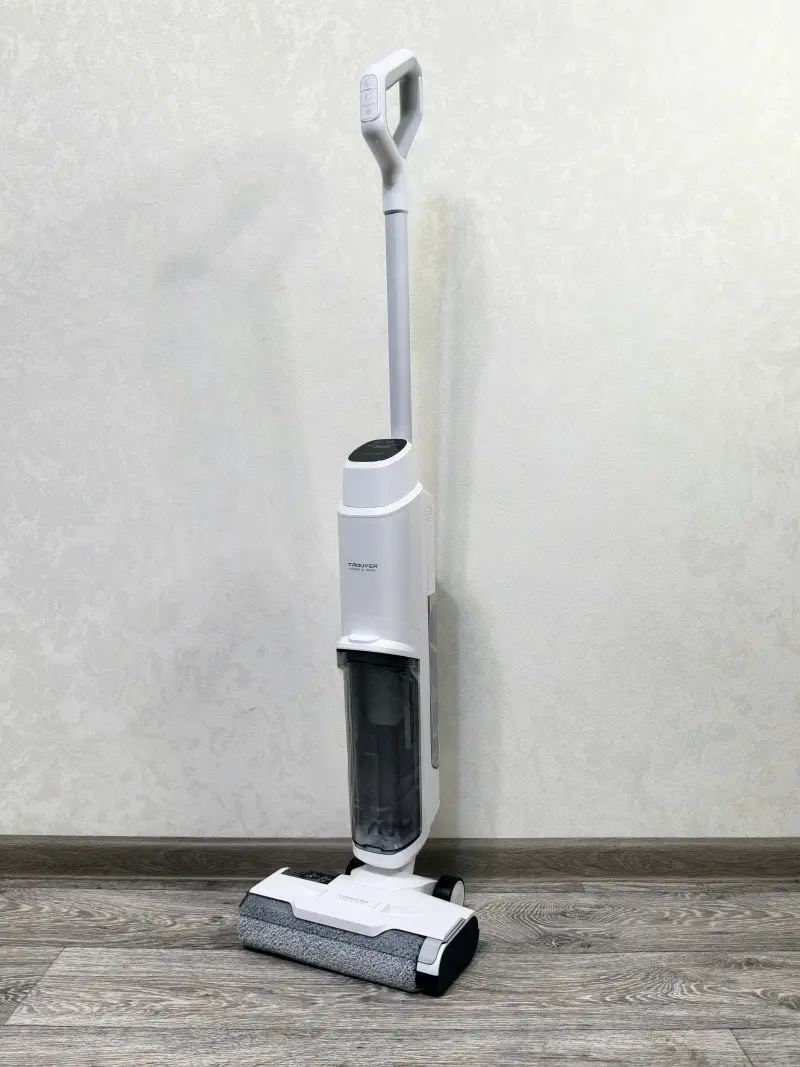
Photo by Andrey Matveev on Unsplash
Designating pet-free zones within the home, such as bedrooms or specific seating areas, provides allergy sufferers with safe spaces where allergen levels are minimized. This practice is especially helpful for families with children or individuals who experience more severe reactions. Additionally, considering flooring options is important; hardwood, tile, or laminate floors are preferable to carpets, which tend to trap allergens and require more intensive cleaning.
Fabric choices for curtains, rugs, and cushions also impact allergen management. Opting for washable materials that can be cleaned regularly helps keep dander levels down. Minimizing clutter and using washable covers on furniture further contribute to a cleaner, allergy-friendly home environment.
Health and Wellness Practices for Both Dog and Owner
Maintaining the health and wellness of both the dog and owner is vital for managing allergies effectively. A balanced diet rich in essential nutrients supports a dog’s coat health, reducing excessive shedding and dander production. High-quality dog food formulated for skin and coat health often contains omega-3 and omega-6 fatty acids, which promote a healthy, hypoallergenic coat. Regular exercise tailored to the dog’s breed and energy level also contributes to overall well-being, helping to reduce stress-related shedding and maintain a healthy skin barrier.
For owners, allergy management techniques such as using over-the-counter antihistamines, nasal sprays, or consulting with an allergist can provide relief from symptoms. Wearing masks during grooming or cleaning sessions may also reduce allergen inhalation. Establishing a routine that includes hand washing after interacting with the dog helps minimize allergen transfer to the face and eyes.
Regular veterinary check-ups are essential to monitor the dog’s health and address any skin or coat issues that could increase allergen production. Preventive care, including flea control and treatment of skin infections, helps maintain a hypoallergenic coat. Veterinarians can also recommend supplements or specialized diets to support skin health, further reducing allergens.
Combining these grooming, environmental, and health practices creates a comprehensive approach to living comfortably with hypoallergenic dogs. Whether choosing small dog breeds for apartment living or larger active dog breeds for outdoor lifestyles, these strategies ensure a healthier, more enjoyable experience for both dog and owner.
Making the Right Choice for Allergy Sufferers
Selecting a hypoallergenic dog breed requires careful consideration and informed decision-making, especially for those who experience allergies. Understanding the unique dog breed characteristics that influence allergen production is essential to finding a companion that fits both health needs and lifestyle. Hypoallergenic dog types vary widely in size, temperament, grooming requirements, and activity levels, so it’s important to evaluate these factors alongside allergy concerns. By researching breeds known for low shedding and reduced allergen output, individuals can narrow down options to those most likely to provide comfort and companionship without triggering allergic reactions.
Informed breed selection also involves recognizing that no dog is completely allergen-free. Allergy sufferers should approach the process with realistic expectations and prioritize spending time with potential pets before making a commitment. This hands-on experience helps identify personal sensitivities and ensures compatibility. Additionally, consulting a comprehensive dog breed guide can provide valuable insights into the best dogs for allergies, including both popular dog breeds and emerging hypoallergenic options. Taking the time to understand grooming needs, exercise requirements, and temperament helps create a well-rounded picture of what living with a particular breed will entail.
Ultimately, choosing the right hypoallergenic dog breed is about balancing multiple factors to achieve a harmonious relationship between owner and pet. This thoughtful approach reduces the risk of allergy flare-ups and enhances the overall quality of life for both parties. Whether selecting small dog breeds suited for apartment living or larger, active dog breeds for outdoor enthusiasts, informed choices lead to more successful and fulfilling pet ownership experiences.
Balancing lifestyle, care, and allergy considerations is key when welcoming a hypoallergenic dog into the home. Each breed comes with its own set of needs, from grooming routines to exercise demands, and understanding these requirements ensures that both dog and owner thrive. For example, some low shedding dog breeds require frequent professional grooming, while others are easier care dog breeds with minimal maintenance. Matching these needs to one’s daily routine and living environment is crucial for long-term satisfaction.
Moreover, considering dog breed temperament and compatibility with family dynamics plays a significant role in creating a positive environment. Many hypoallergenic breeds are also known as family friendly dogs and pet friendly dog breeds, making them excellent companions for households with children or other pets. Evaluating how a breed’s personality aligns with the owner’s lifestyle helps prevent behavioral issues and fosters a strong bond.
Incorporating allergy management strategies alongside breed selection further enhances the experience. Effective grooming, home environment adjustments, and health practices contribute to minimizing allergen exposure and maintaining a comfortable living space. By thoughtfully balancing these elements, allergy sufferers can enjoy the companionship of a hypoallergenic dog without compromising their well-being. This comprehensive approach ensures that the decision to bring a dog into the home is both rewarding and sustainable for years to come.