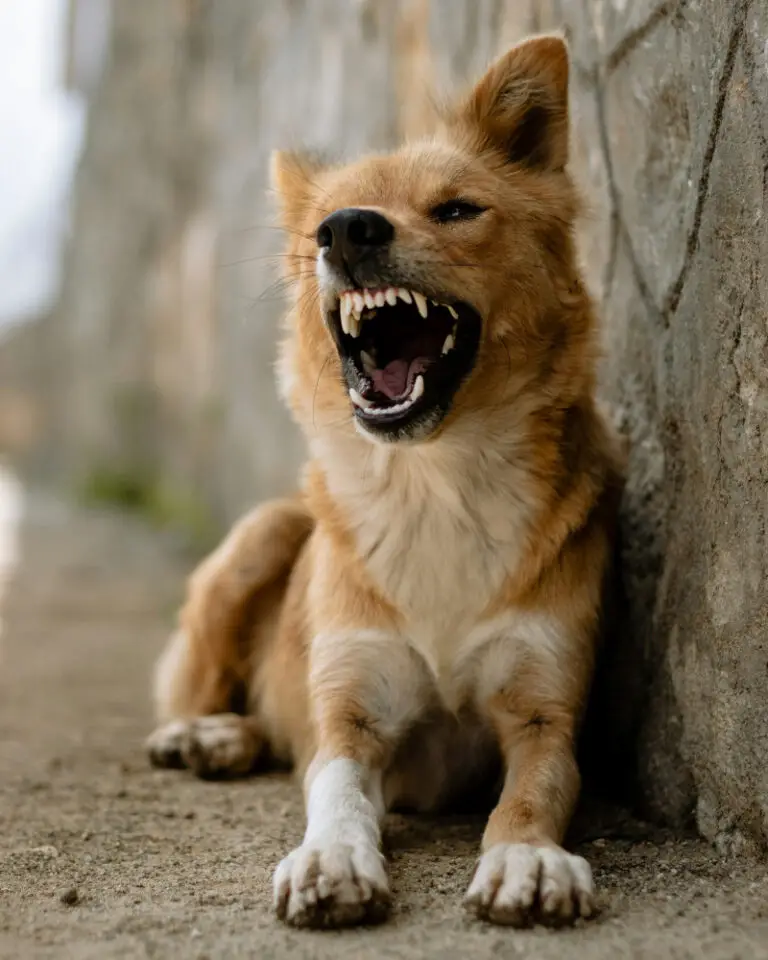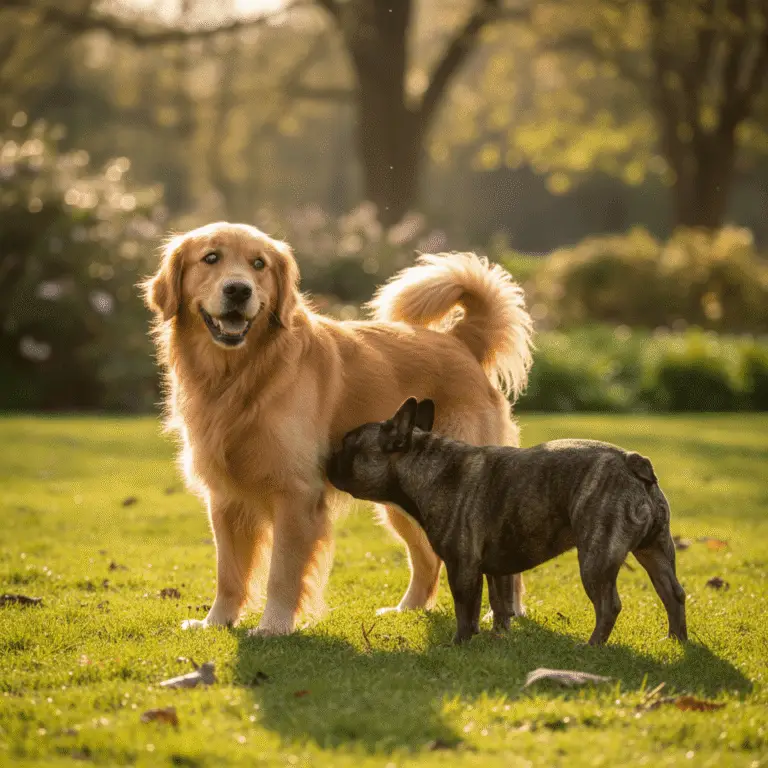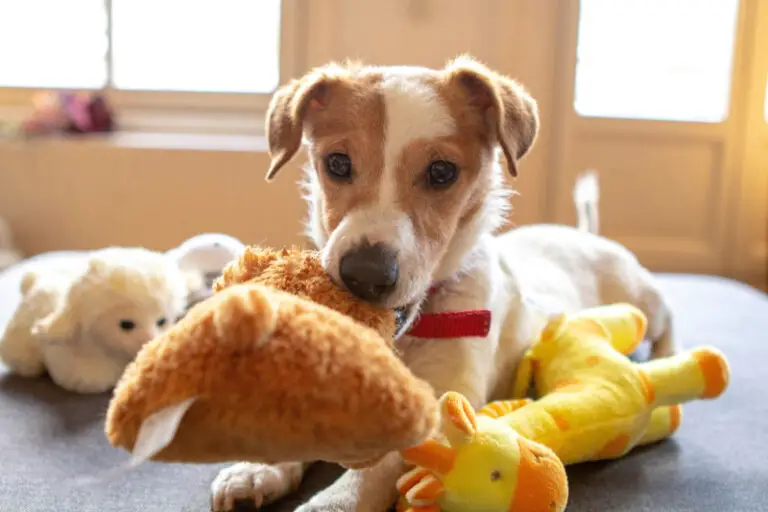

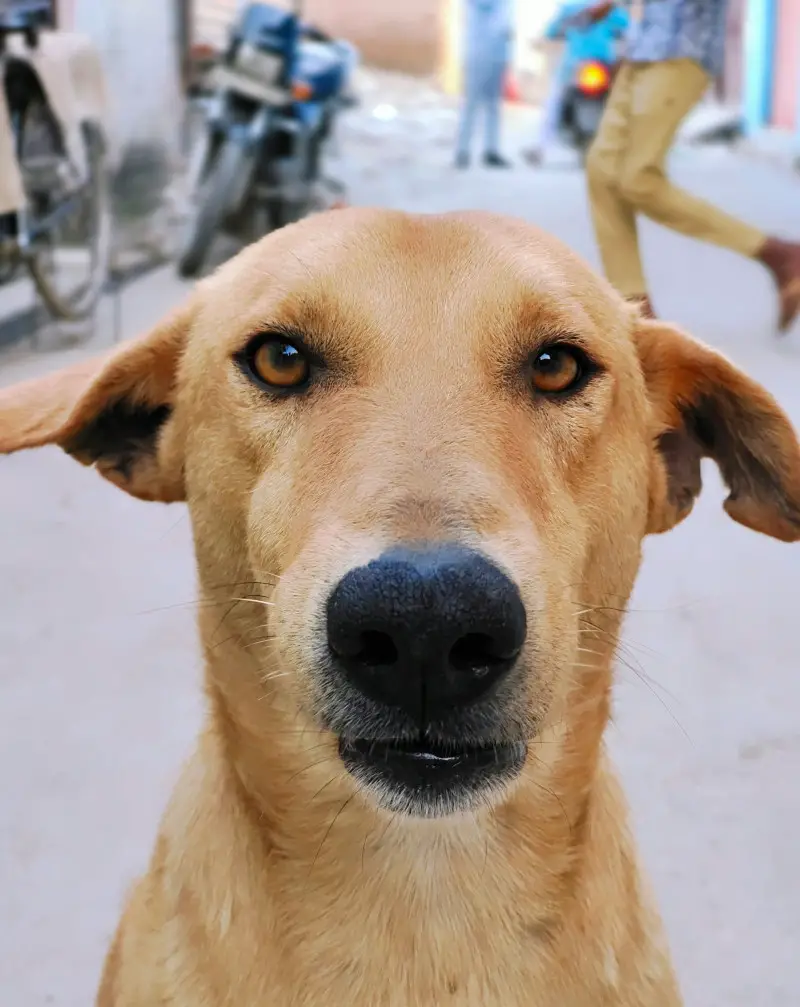
If you’ve ever caught your dog spinning in circles before bedtime, tilting their head at a funny noise, or chasing their own tail for what seems like hours, you’re definitely not alone. Dogs have a knack for surprising us with their strange dog behaviors and silly antics, often leaving us scratching our heads and laughing in equal measure. These odd things dogs do aren’t just random quirks—they’re part of what makes sharing life with a canine companion so endlessly entertaining.
From the moment you bring a puppy home, you start to notice all sorts of unusual dog habits. Maybe your pup insists on sleeping in the weirdest positions, or perhaps they have a habit of barking at their own reflection. Sometimes, these peculiar dog mannerisms can seem downright bizarre, but there’s almost always a reason behind them. Dogs communicate in ways that aren’t always obvious to us, and their eccentric dog behaviors are often rooted in instinct, emotion, or even just a desire to have fun.
Getting to know the meaning behind these quirky dog behaviors can help you connect with your furry friend on a deeper level. When you understand why your dog is doing something that seems odd—like digging at the couch cushions or carrying their favorite toy everywhere—it’s easier to respond with patience and empathy. Plus, learning about these funny dog actions can help you spot when something might be off, so you can keep your pup happy and healthy.
Whether you’re a seasoned dog owner or just starting out, it’s always fascinating to discover the reasons behind your dog’s most unusual habits. If you’re curious about more weird things dogs do, you’re in the right place. Let’s take a closer look at some of the most common (and most hilarious) ways dogs keep us guessing, and what those behaviors really mean for your four-legged family member.
Table of Contents
Peculiar Communication Styles
Head Tilting
Few things are as adorable as a dog cocking their head to the side, ears perked up, eyes wide with curiosity. This classic example of quirky dog behavior is something almost every dog owner has witnessed, and it never fails to melt hearts. But what’s really going on when your pup gives you that signature head tilt?
At its core, head tilting is often a sign of heightened curiosity or concentration. Dogs are incredibly attuned to the sounds around them, especially the voices of their favorite humans. When you speak to your dog, especially in a high-pitched or excited tone, they may tilt their head as they try to pick out familiar words or intonations. This is their way of focusing in, almost as if they’re tuning a radio to catch every nuance of what you’re saying.
Another reason for this peculiar dog mannerism is that dogs are genuinely trying to understand human speech. While they might not grasp every word, dogs are experts at reading our body language, facial expressions, and tone of voice. The head tilt helps them get a better angle on the source of the sound, making it easier to interpret what’s being communicated. Some experts believe that tilting the head can also help dogs adjust their ears to better locate the direction of a sound, especially if it’s something unfamiliar or intriguing.
Of course, sometimes the head tilt is simply a clever way for dogs to seek attention or a reaction from their humans. Many dogs quickly learn that this funny dog action gets a big response—whether it’s laughter, extra pets, or a treat. Over time, they may repeat the behavior just to see your delighted reaction. It’s a perfect example of how dogs use their unique communication styles to interact with us and strengthen the bond they share with their families.
While head tilting is usually harmless and endearing, it’s important to note that if your dog suddenly starts tilting their head frequently or seems off-balance, it could be a sign of an ear infection or another medical issue. In most cases, though, this is just one of those odd things dogs do that makes them so lovable and entertaining.
Circling Before Lying Down
If you’ve ever watched your dog spin in tight circles before finally settling down for a nap, you’ve witnessed one of the most common and ancient strange dog behaviors. This ritual, which can look a bit like dogs acting weird, is actually rooted deep in canine history and serves several practical purposes.
One of the main reasons dogs circle before lying down is instinctual comfort-seeking. Wild dogs and their ancestors would often trample down grass, leaves, or snow to create a comfortable, safe spot to rest. By circling, they could flatten the area, making it more inviting and less likely to harbor hidden dangers like insects or sharp objects. Even though your modern pup has a cozy bed or couch, this behavior persists as a quirky reminder of their wild heritage.
Circling can also be a form of territory marking. As dogs walk in circles, their paws release scent from special glands, subtly claiming the area as their own. This is especially true in multi-dog households, where each dog may have their own favorite spot and want to make sure everyone knows it. It’s one of those dogs’ strange routines that might seem unnecessary to us, but makes perfect sense in the canine world.
Temperature regulation is another possible explanation for this unusual dog habit. By circling, dogs can test the surface for warmth or coolness, ensuring they’re about to settle in the most comfortable spot possible. In the wild, this could mean finding a patch of ground that’s just the right temperature, or even digging a shallow hole to escape the heat or cold. Even indoors, you might notice your dog circling more on hot days or when they’re looking for a cozy place to curl up.
While this behavior is usually harmless, excessive circling or difficulty settling down can sometimes indicate discomfort, anxiety, or even a medical issue like arthritis. If your dog seems restless or is circling much more than usual, it’s always a good idea to check in with your veterinarian. Most of the time, though, this is just another example of dogs doing strange things that connect them to their ancient roots.
Chasing Tails
Tail chasing is one of those silly things dogs do that never fails to get a laugh. Whether it’s a puppy spinning in dizzying circles or an older dog suddenly deciding their tail is the enemy, this behavior is both entertaining and a little mysterious. So why do dogs chase their tails, and should you ever be concerned?
For many dogs, tail chasing is simply a way to burn off excess energy or relieve boredom. Puppies, in particular, are known for their weird puppy habits, and chasing their own tails is a fun, self-entertaining game. It’s a way for them to explore their bodies, practice coordination, and just have a good time. In multi-dog households, you might even see one dog chasing another’s tail as part of playful interaction.
Sometimes, tail chasing is a sign of playfulness or a desire for attention. Dogs quickly learn that this funny dog action gets a big reaction from their humans—whether it’s laughter, encouragement, or even a gentle redirection. Over time, some dogs may repeat the behavior just to see what happens, especially if they’re feeling a little neglected or want to engage with their family.
However, tail chasing can also be a sign of anxiety, stress, or even allergies. If your dog is chasing or biting at their tail excessively, it could indicate that something is bothering them physically or emotionally. Allergies, flea infestations, or skin irritations can all cause discomfort that leads to this behavior. In some cases, dogs with odd habits like obsessive tail chasing may be experiencing compulsive tendencies, which can be managed with the help of a veterinarian or animal behaviorist.
It’s important to pay attention to the context and frequency of tail chasing. Occasional spinning is usually nothing to worry about and is just one of those eccentric dog behaviors that make our pets so unique. But if your dog seems fixated on their tail, is causing injury, or appears distressed, it’s worth investigating further to rule out any underlying issues.
In the end, tail chasing is a perfect example of how dogs behaving oddly can be both amusing and informative. By understanding the reasons behind these peculiar dog mannerisms, you can better support your furry friend’s health and happiness—while enjoying plenty of laughs along the way.
Odd Grooming and Eating Behaviors
Eating Grass
One of the most common strange dog behaviors that leaves pet owners puzzled is the sight of their dog munching on grass during a walk or in the backyard. While it might seem like one of those odd things dogs do for no reason, there are actually several explanations for this unusual dog habit.
A leading theory is that dogs eat grass to seek fiber or aid their digestion. Grass contains roughage, which can help keep a dog’s digestive system moving smoothly. If your pup is feeling a little constipated or has an upset stomach, they might instinctively turn to grass as a natural remedy. Some dogs will even vomit after eating grass, which can be their way of relieving discomfort or clearing out something that doesn’t agree with them.
This behavior is also a natural instinct inherited from wild ancestors. Wolves and wild dogs often consumed the stomach contents of their herbivorous prey, which included grasses and plants. Even though today’s dogs have a very different diet, these inherited instincts can still show up as quirky dog behavior. It’s just another example of how dogs doing strange things can be traced back to their evolutionary roots.
Sometimes, eating grass is simply prompted by boredom. Dogs are curious creatures, and if they’re left alone in the yard or not getting enough mental stimulation, they might start nibbling on grass just to pass the time. This is especially true for puppies, who are known for their weird puppy habits and love to explore the world with their mouths. If you notice your dog eating grass frequently, it might be a sign that they need more playtime, exercise, or interactive toys to keep them engaged.
While occasional grass eating is usually harmless, it’s important to make sure the grass hasn’t been treated with pesticides or chemicals that could be harmful to your dog. If your dog is eating large amounts of grass or seems unwell, it’s always a good idea to consult your veterinarian. Most of the time, though, this is just one of those dogs’ strange routines that adds to their charm and keeps us guessing.
Licking Everything
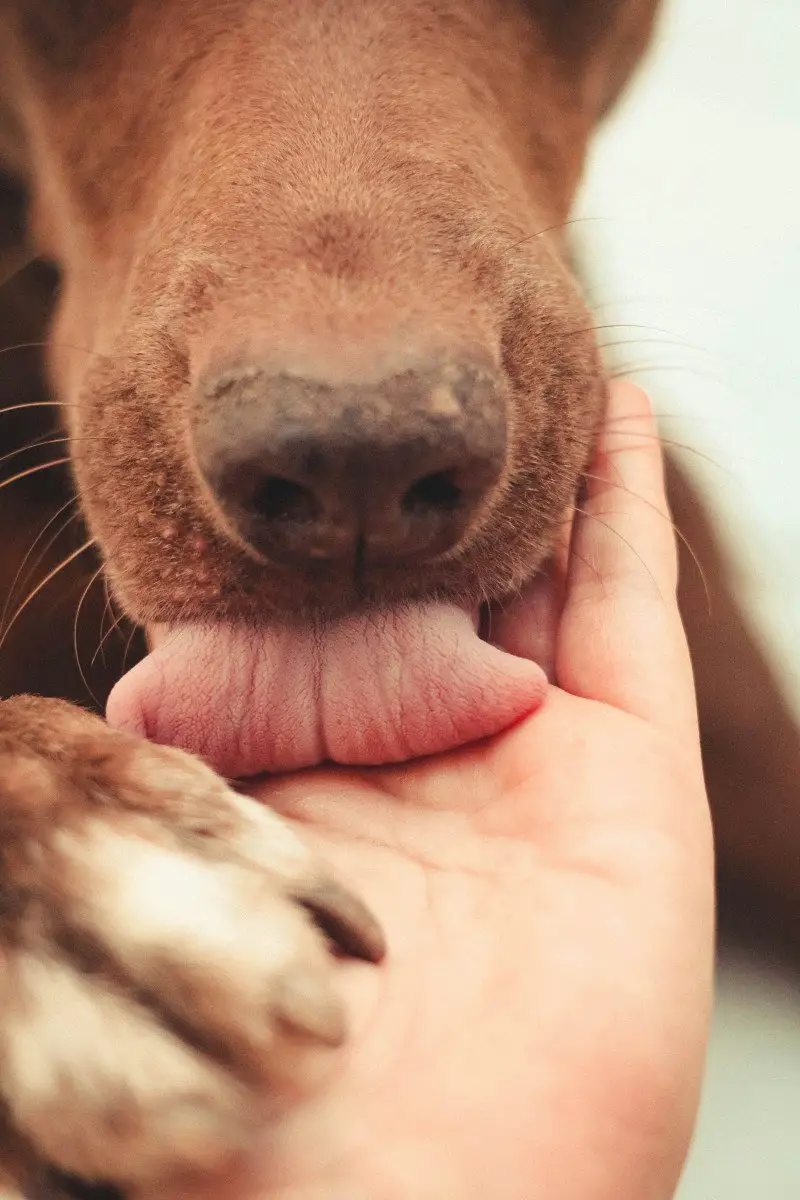
Photo by Letícia Fracalossi on Unsplash
If you’ve ever wondered why your dog seems determined to lick every surface, person, and object in sight, you’re not alone. Licking is one of those funny dog actions that can range from endearing to downright puzzling. But as with many peculiar dog mannerisms, there’s more to this behavior than meets the eye.
For starters, dogs use their mouths to explore the world, much like human babies do. Licking is a way for them to gather information about their environment, taste new things, and satisfy their curiosity. Whether it’s the floor, the couch, or your hand, licking helps dogs learn about the textures, scents, and flavors around them. This is especially true for puppies, whose weird puppy habits often include licking everything in sight as they discover their surroundings.
Licking can also serve as a stress relief mechanism. When dogs are feeling anxious or overwhelmed, repetitive behaviors like licking can help soothe their nerves. You might notice your dog licking their paws, their bed, or even the air when they’re in a new or stressful situation. This kind of self-soothing is a common example of dogs behaving oddly, but it’s usually nothing to worry about unless it becomes excessive or leads to sores.
Of course, licking is also a way for dogs to show affection. When your dog licks your face or hands, they’re expressing love and bonding with you. In the wild, licking is a social behavior that helps strengthen relationships within a pack. So, when your dog showers you with kisses, it’s their way of saying, “You’re part of my family.” This is one of those silly things dogs do that can brighten even the toughest day.
However, if your dog is licking obsessively or focusing on one spot, it could be a sign of allergies, pain, or even boredom. Dogs with odd habits like constant licking may need a little extra attention, whether it’s a trip to the vet or more interactive playtime. As always, understanding the reasons behind these eccentric dog behaviors can help you keep your pup happy, healthy, and feeling loved.
Rolling in Smelly Things
Few things are as baffling (or as frustrating) as watching your freshly bathed dog gleefully roll in something foul-smelling at the park. This bizarre dog activity is a classic example of dogs acting weird, and it’s one that has left many pet owners scratching their heads—and reaching for the shampoo.
One explanation for this behavior is that dogs are trying to mask their scent. In the wild, rolling in strong odors could help a dog disguise themselves from predators or sneak up on prey. By covering their natural scent with something less noticeable (even if it’s unpleasant to us), dogs might feel more secure or better equipped for hunting. This instinctual behavior is deeply rooted in their ancestry and is just another way dogs doing strange things connect to their wild past.
Rolling in smelly things can also be a way for dogs to satisfy an inherited instinct. Some experts believe that dogs roll in strong odors to bring information back to their pack. In the wild, a dog that discovers a new scent might roll in it and then return to the group, sharing the find through their own scent. While your dog’s “pack” is now your family, the urge to roll in something interesting is still very much alive.
Sometimes, this behavior is simply about fun and excitement. Dogs love new experiences, and rolling in a strong scent can be a thrilling sensory adventure. It’s one of those dogs’ strange routines that might not make sense to us, but brings a lot of joy to our canine companions. If your dog seems especially enthusiastic about rolling in certain spots, it could be their way of marking a memorable moment or just indulging in a favorite pastime.
While rolling in smelly things is usually harmless (if a bit unpleasant for us), it’s important to keep an eye out for anything that could be toxic or harmful. Make sure your dog isn’t rolling in substances like pesticides, chemicals, or animal waste that could make them sick. Otherwise, this is just another example of the odd things dogs do that make life with them so unpredictable—and so much fun.
Funny Reactions to Daily Life
Barking at Their Reflection
One of the most entertaining and sometimes perplexing strange dog behaviors is when your pup suddenly starts barking at their own reflection in a mirror or window. This is one of those odd things dogs do that can catch you off guard, especially if your dog seems convinced there’s another canine intruder in the house. But what’s really going on in your dog’s mind during these funny dog actions?
Dogs don’t recognize themselves in mirrors the way humans do. While people eventually learn that their reflection is just an image, most dogs never quite make that connection. When your dog sees their reflection, they may interpret it as another dog—one that looks, moves, and even barks just like them! This can trigger a range of reactions, from defensive barking to playful posturing. Some dogs might even try to sniff behind the mirror or paw at the glass, searching for the “other dog.”
For many pups, barking at their reflection is a way to test for a new playmate. They might wag their tail, bow, or jump around, hoping to entice the “stranger” into a game. This is a classic example of quirky dog behavior that’s both amusing and harmless. Over time, some dogs lose interest in their reflection, while others continue to react every time they catch a glimpse of themselves.
This behavior can also be a sign of dogs behaving oddly due to confusion or excitement. If your dog is barking at their reflection frequently or seems distressed, try redirecting their attention with a favorite toy or treat. Most of the time, though, this is just one of those silly things dogs do that adds a little extra laughter to your day.
If you have a puppy, you might notice this reaction more often, as weird puppy habits tend to include lots of exploration and experimentation. As your dog matures, they may become less interested in their reflection, but don’t be surprised if the occasional mirror encounter still sparks a round of barking or playful antics.
Sleeping with Paws in the Air
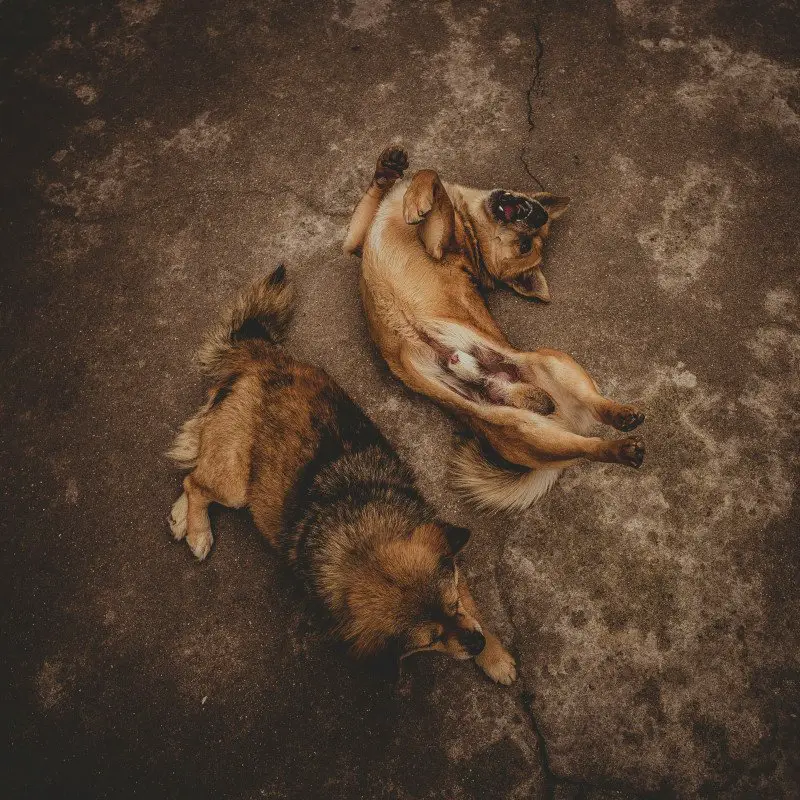
There’s nothing quite like walking into a room and finding your dog sprawled out on their back, paws sticking straight up in the air. This sleeping position is one of those dogs’ strange routines that never fails to bring a smile to your face. But why do dogs sleep this way, and what does it mean?
Sleeping with paws in the air is a strong sign that your dog feels safe and comfortable in their environment. In the wild, dogs would rarely expose their vulnerable belly unless they were completely relaxed and trusted those around them. When your pup chooses to snooze belly-up, it’s a clear indication that they feel secure in your home and trust you completely.
This position also helps with temperature regulation. The fur on a dog’s belly is usually thinner than on the rest of their body, so exposing it to the air can help them cool down on warm days. If your dog tends to sleep this way during the summer or after a bout of zoomies, they’re probably just trying to beat the heat. It’s one of those unusual dog habits that’s both practical and adorable.
Muscle relaxation is another reason dogs might sleep with their paws in the air. Lying on their back allows their muscles to fully relax, which can be especially comforting after a long walk or play session. Some dogs with odd habits might even snore or twitch in this position, adding to the list of funny dog actions that make pet ownership so delightful.
While this sleeping style is usually nothing to worry about, it’s always good to keep an eye on your dog’s overall comfort. If you notice any signs of pain or difficulty getting up, a visit to the vet might be in order. Otherwise, enjoy the sight of your pup embracing one of the most eccentric dog behaviors around!
Zoomies (Sudden Bursts of Energy)
If you’ve ever witnessed your dog suddenly race around the house or yard at top speed, you’ve experienced the joy of the “zoomies.” Officially known as Frenetic Random Activity Periods (FRAPs), zoomies are one of the most delightful and bizarre dog activities you’ll ever see. These sudden bursts of energy are a hallmark of dogs doing strange things, and they’re guaranteed to make you laugh.
Zoomies are often a way for dogs to release pent-up excitement or energy. After a bath, a nap, or even a long day indoors, your dog might suddenly feel the need to run, leap, and spin in circles. This is their way of shaking off excess energy and celebrating life in the most exuberant way possible. Puppies are especially prone to zoomies, as weird puppy habits often include wild sprints and playful antics.
Relieving stress is another reason dogs get the zoomies. If your dog has been in a situation that made them anxious—like a trip to the vet or a thunderstorm—they might use a round of zoomies to blow off steam and reset their mood. It’s a healthy, natural outlet for their emotions and a great example of dogs acting weird in the best possible way.
Zoomies can also be triggered by pure joy. Sometimes, the simple pleasure of being outside, seeing a favorite person, or playing with a beloved toy is enough to send your dog into a frenzy of happy running. These silly things dogs do are a reminder to embrace the moment and find joy in the little things.
While zoomies are usually harmless, it’s important to make sure your dog has a safe space to run without slipping or crashing into furniture. If your dog seems to have zoomies more often than usual, it might be a sign they need more exercise or mental stimulation during the day. Otherwise, sit back and enjoy the show—zoomies are one of the most entertaining and endearing examples of dogs’ strange routines.
From barking at their reflection to sleeping with paws in the air and racing around with the zoomies, dogs have a knack for turning everyday moments into unforgettable memories. These peculiar dog mannerisms are just another reason why life with a dog is never boring!
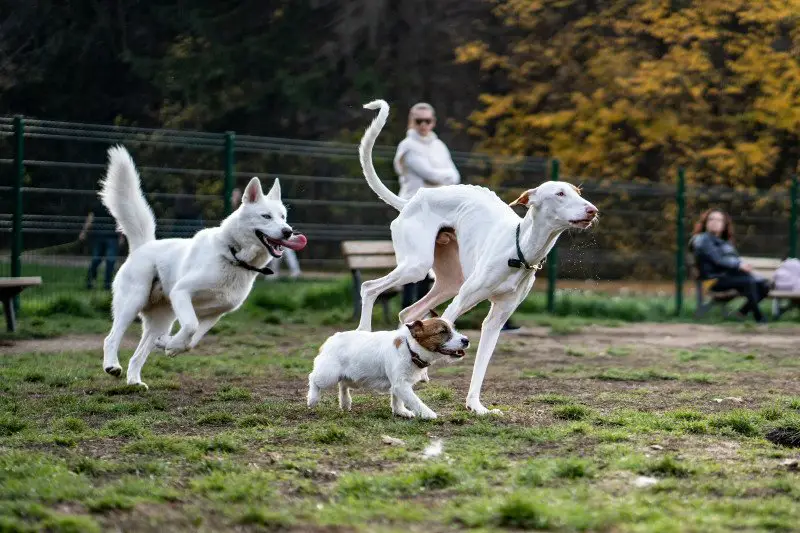
Photo by Monika Simeonova on Unsplash
Celebrating the Weird and Wonderful World of Dogs
Living with a dog means embracing a world filled with surprises, laughter, and the occasional head-scratching moment. Every day, our furry friends delight us with their strange dog behaviors, from spinning in circles before bedtime to barking at their own reflections. Decoding these bizarre canine quirks isn’t just about satisfying our curiosity—it’s about deepening our understanding of what makes our pups tick. When we take the time to notice and appreciate these odd things dogs do, we open ourselves up to a richer, more joyful relationship with our four-legged companions.
Each unusual dog habit, whether it’s eating grass, rolling in something smelly, or launching into a round of zoomies, tells a story about your dog’s instincts, emotions, and unique personality. These funny dog actions are more than just entertaining—they’re windows into the canine mind. By learning to interpret these peculiar dog mannerisms, we become better equipped to meet our dogs’ needs, respond to their feelings, and keep them happy and healthy. It’s amazing how much joy can come from simply watching your dog sleep with their paws in the air or chase their tail around the living room. These moments remind us to find delight in the little things and to approach life with the same enthusiasm and curiosity as our pets.
Embracing the weird ways of dogs is one of the best parts of being a pet parent. Instead of worrying about why your dog is behaving oddly, try to see the world through their eyes. Celebrate their eccentric dog behaviors and recognize that these quirks are part of what makes your bond so special. When you laugh at their silly things, comfort them during their anxious moments, and join in their playful routines, you’re building a connection that goes far beyond words. Dogs have an incredible ability to bring out the best in us, encouraging us to be more patient, compassionate, and present.
So the next time your pup does something that leaves you puzzled or amused, remember that these dogs’ strange routines are a testament to their individuality and spirit. Cherish every head tilt, every zoomie, and every goofy antic—they’re all part of the wonderful adventure of sharing your life with a dog. By embracing and understanding these behaviors, you’re not just decoding their quirks—you’re strengthening the unbreakable bond that makes your dog truly family.