
Table of Contents
More Than Just a Sniff: The Science of Canine Communication
To the human observer, the canine greeting ritual can seem peculiar, if not outright embarrassing. The immediate, intense focus on another dog’s rear end is a behavior we often rush to curtail, misinterpreting it as rude or unhygienic. However, to understand this behavior is to unlock a profound understanding of the canine world, a world dominated not by sight, but by scent. For a dog, sniffing another’s hindquarters is not a strange quirk; it is a sophisticated, information-rich exchange equivalent to a human handshake, a friendly conversation, and a background check all rolled into one. This is the cornerstone of olfactory communication, the primary way dogs navigate their social landscape. Their sensory world is so fundamentally different from our own that it is almost impossible for us to fully comprehend. While we rely on visual cues and spoken language, dogs decode complex narratives from molecules in the air. The statistics are staggering: a dog’s sense of smell is estimated to be between 10,000 and 100,000 times more acute than a human’s. Their nasal architecture is a marvel of biological engineering, containing up to 300 million olfactory receptors, compared to our paltry six million. This immense network of receptors allows them to detect odors in concentrations as low as parts per trillion. It’s the difference between seeing a teaspoon of sugar in your coffee and being able to detect that same teaspoon of sugar dissolved in two Olympic-sized swimming pools.
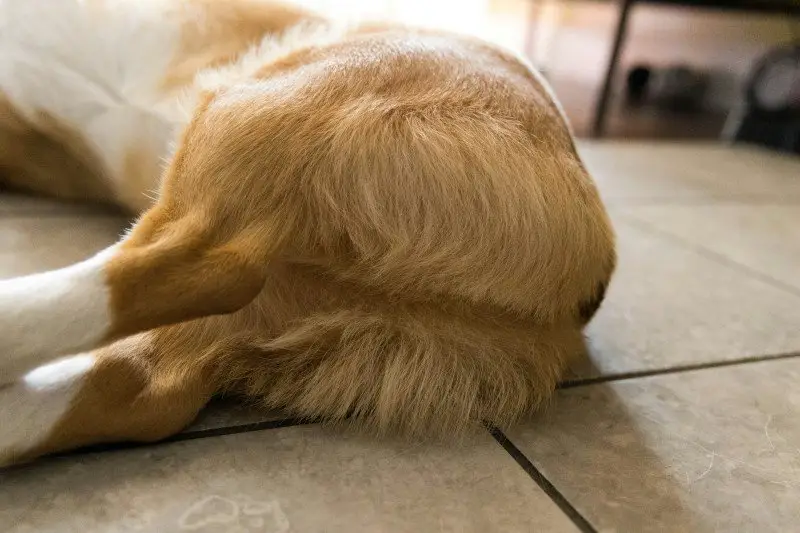
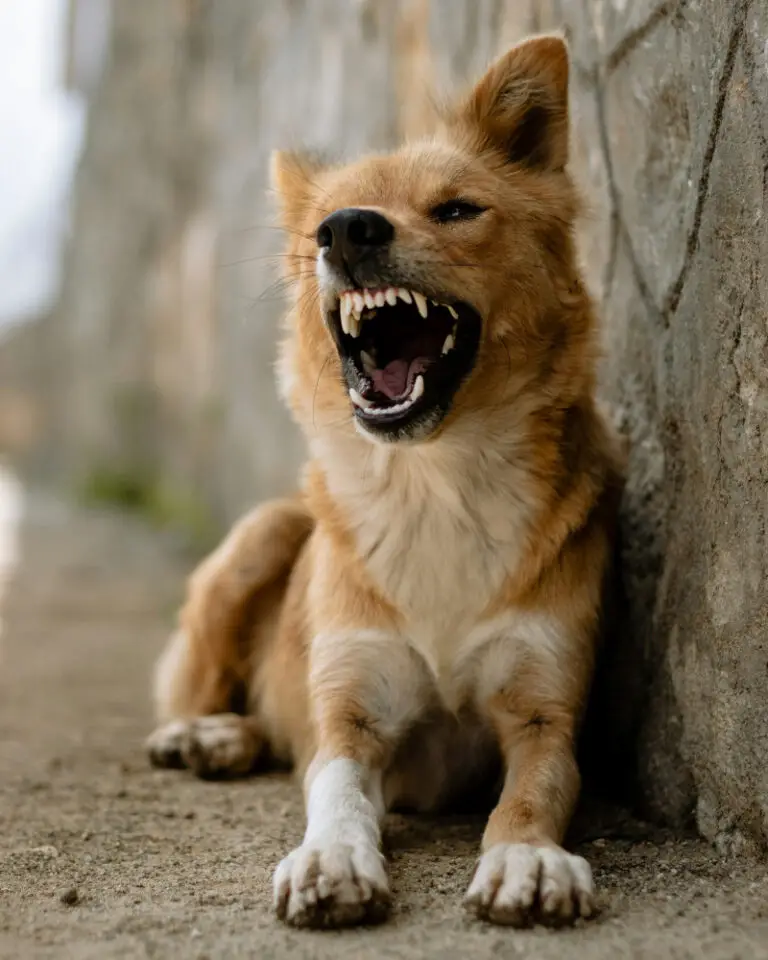
Photo by Joshua Patton on Unsplash
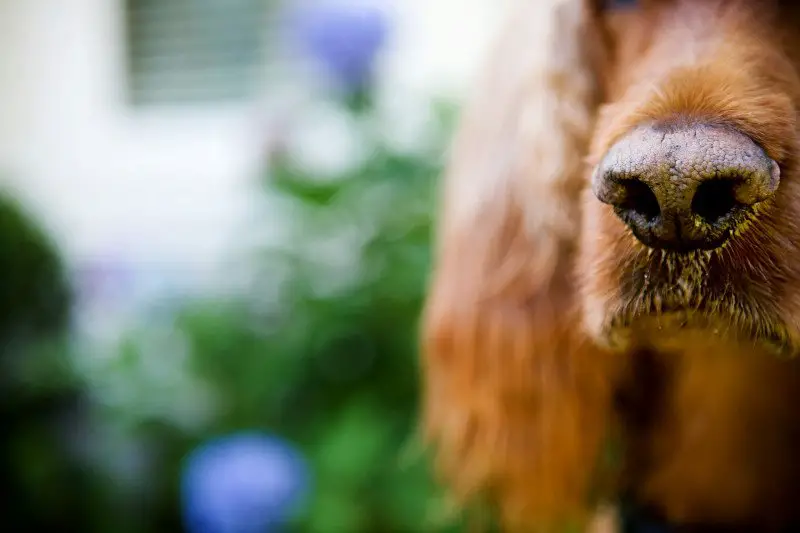
At the heart of this incredible sensory ability is a specialized piece of equipment that humans lack: the vomeronasal organ, also known as Jacobson’s organ. Located in the roof of the mouth, with ducts just behind the front teeth, this organ is designed specifically to detect pheromones and other complex chemical compounds that don’t register through the main olfactory system. When a dog is intently sniffing something, you might notice a slight curl of the lip or a chattering of the teeth; this action helps to funnel scent molecules directly into the vomeronasal organ for a more detailed analysis. Pheromones are chemical signals that trigger specific behavioral or physiological responses in other members of the same species. They are not odors in the conventional sense but are instead powerful, information-laden messages. Through this secondary scent system, a dog can bypass the simple identification of a smell—like bacon or wet grass—and move directly to interpreting high-level social data. This is how a male dog knows a female is in heat, how a puppy recognizes its mother, and how dogs establish and understand the intricate social hierarchies within a group. The butt sniff, therefore, is not a casual whiff but a deliberate act of data collection, using a highly advanced biological toolkit to read the story of the dog standing before them.
Decoding the Scent: What Information is Being Exchanged?
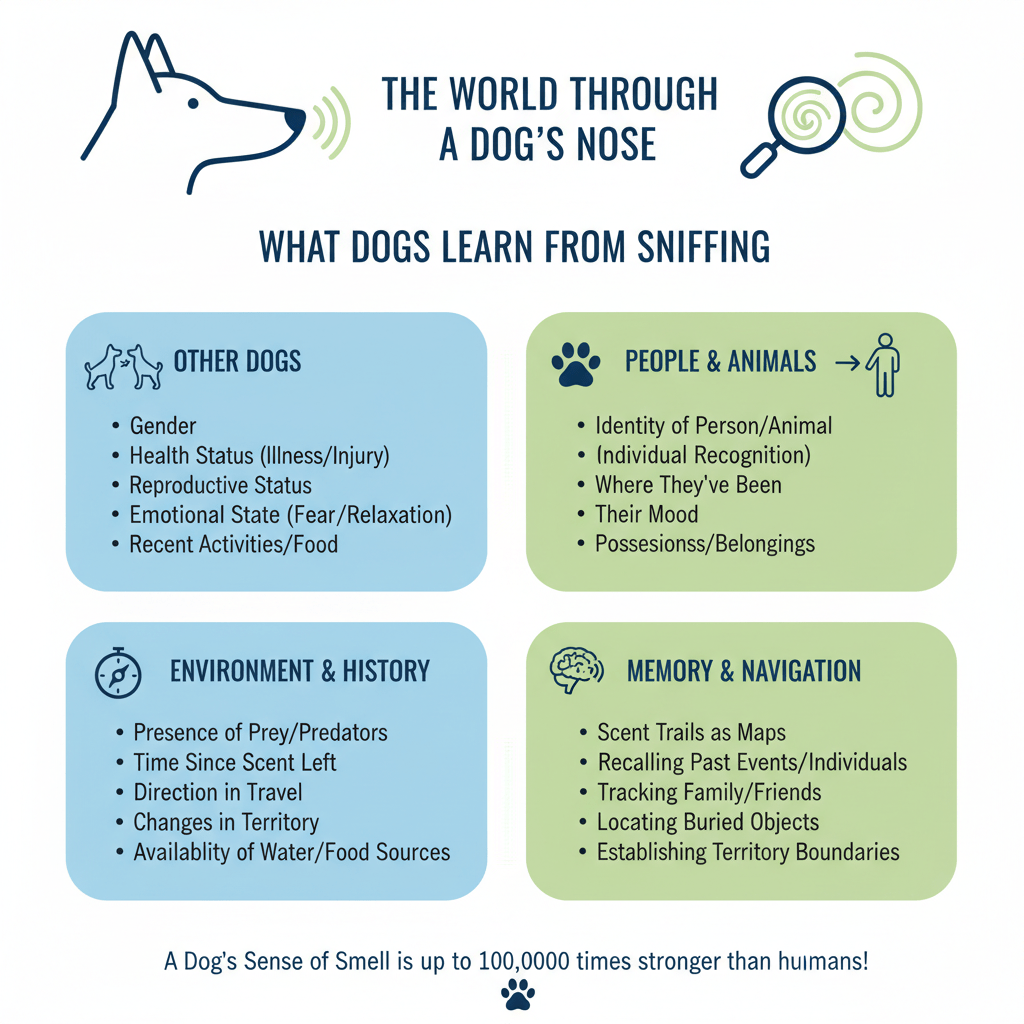
The rear end of a dog is a hub of chemical communication, broadcasting a constant stream of detailed information. The primary sources of this unique scent signature are the anal glands, two small sacs located on either side of the anus. These glands produce a potent, oily, and foul-smelling substance that is unique to each individual dog. Think of it as a canine fingerprint or a highly detailed business card. When a dog defecates, a small amount of this secretion is deposited, serving as a territorial marker and a message for any other dog that passes by. During a direct greeting, however, the sniffing dog gets access to this information straight from the source. The chemical compounds within this secretion convey a wealth of data. A dog can instantly determine the other dog’s sex, approximate age, and reproductive status. They can discern a great deal about the dog’s diet and, crucially, their overall health. The scent profile changes in response to illness, stress, or fear, providing an honest and unfiltered look into the dog’s current state. This is why a confident, healthy dog often has a different scent than a dog that is anxious or unwell, a nuance that is immediately apparent to other canines.
The Chemical Cocktail of Information
The information exchange is not limited to the anal glands alone. The entire perianal region is rich with apocrine and sebaceous glands that produce their own unique scents, adding further layers to the dog’s personal profile. These glands are tied to the endocrine system, meaning their secretions can reflect the dog’s emotional state in real time. A surge of adrenaline from fear or excitement will subtly alter the chemical signature, communicating this emotional shift to the sniffing dog. This is why a dog can often sense fear or aggression in another dog before any overt physical signals are displayed. The scent tells the story. Furthermore, residual traces of urine and feces in the fur around the area add even more context, offering clues about the dog’s recent meals, hydration levels, and even potential metabolic or digestive issues. This complex cocktail of chemicals from multiple sources creates a holistic profile of the individual, allowing for a rapid and remarkably accurate assessment. For dogs, this process is as natural and informative as us glancing at someone’s clothing, listening to their tone of voice, and observing their facial expressions all at once. It is a multi-layered, nuanced form of communication that is incredibly efficient.
| Information Type | Primary Source | Details Conveyed |
|---|---|---|
| Identity | Anal Gland Secretions | Unique individual signature, sex, approximate age |
| Emotional State | Apocrine Sweat Glands | Fear, excitement, stress, confidence (via hormones) |
| Health Status | Anal & Sebaceous Glands, Urine | Illness, infection, hormonal changes, metabolic state |
| Diet | Fecal Residue, Gland Secretions | Recent meals, nutritional health |
| Reproductive Status | Pheromones in Secretions & Urine | In heat, pregnant, recently whelped |
The Etiquette of the Butt Sniff: A Social Ritual
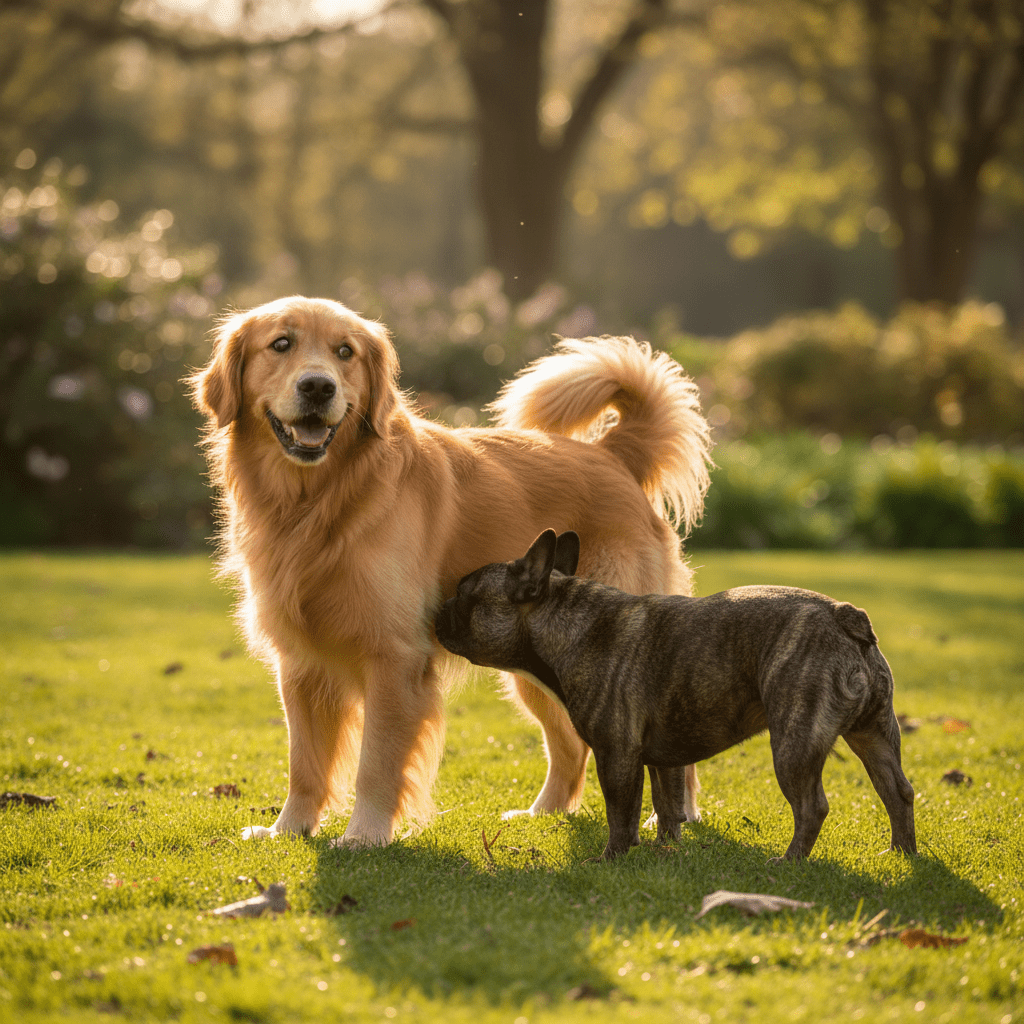
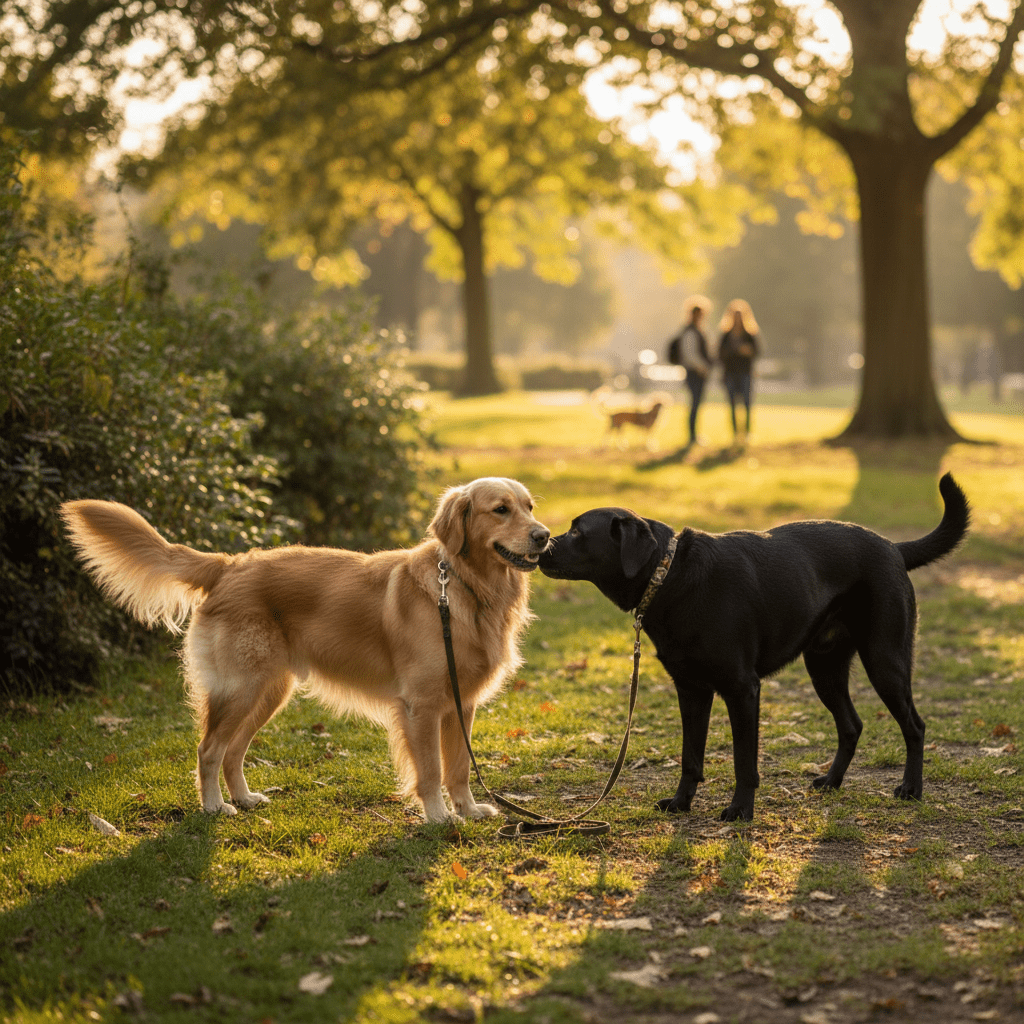
Viewing the butt sniff through the lens of data collection helps us understand its function, but it’s equally important to recognize its role as a crucial social ritual governed by a distinct etiquette. In the canine world, a direct, face-to-face approach can be interpreted as confrontational. Circling and approaching from the side to sniff the rear is a polite, non-threatening way to initiate contact. It’s a gesture of peaceful intent, allowing both dogs to gather information about each other from a less vulnerable position before deciding how to proceed. A well-socialized dog understands this dance. The greeting often involves a moment of mutual sniffing, with both dogs taking turns assessing one another. The body language that accompanies this ritual is paramount. A positive, friendly greeting will be characterized by relaxed body postures, soft or gently wagging tails, and a general lack of tension. The interaction is typically brief, lasting only a few seconds, after which the dogs may decide to play, or they might simply acknowledge each other and move on. This brief exchange is enough to establish a baseline understanding and decide if further interaction is welcome. For anyone hoping to facilitate positive dog-to-dog interactions, learning to read these subtle cues is essential. A deeper dive into [Understanding Dog Body Language] can provide owners with the skills to differentiate between a polite introduction and a brewing conflict.
When Sniffing Goes Wrong
While a natural and necessary behavior, the greeting ritual can sometimes lead to tension or conflict. Problems often arise when the unspoken rules of etiquette are broken. For example, one dog may be overly persistent or “rude” in its sniffing, making the other dog uncomfortable. A dog that is fearful, anxious, or has been poorly socialized may not tolerate being sniffed and may react defensively with a growl or a snap. This is not necessarily aggression but rather a clear signal saying, “I am not comfortable, please give me space.” It is the owner’s responsibility to advocate for their dog in these situations. Conversely, a dog might become possessive or “guard” its owner, viewing the approaching dog as a threat and blocking the greeting. These situations are particularly common in on-leash greetings, where the dogs’ movements are restricted and the tension from the leashes can travel down to the dogs, exacerbating any anxiety. If you notice signs of discomfort in either dog—such as a stiff body, a tucked tail, whale eye (showing the whites of the eyes), or raised hackles—it is crucial to intervene calmly and create distance. Forcing an interaction between two uncomfortable dogs is a recipe for a negative experience that can create lasting behavioral issues. The key is to manage the environment to allow for polite, brief, and positive experiences, especially in settings like dog parks, where proper etiquette is vital for safety. Many resources, like those provided by the American Kennel Club, offer excellent guidelines for navigating these social spaces.
Health Clues Hidden in a Sniff
The diagnostic power of a dog’s nose is not just for identifying other dogs; it also serves as a remarkable early-warning system for health issues. Dogs can detect infinitesimal changes in another dog’s scent profile that signal the onset of disease long before any physical symptoms become apparent to a human. This ability stems from the fact that many medical conditions, from minor infections to serious diseases like cancer, cause changes in a body’s metabolic processes, which in turn release specific volatile organic compounds (VOCs). These VOCs are excreted through breath, urine, and glandular secretions, altering the dog’s overall scent signature. Another dog, with its sophisticated olfactory system, can easily pick up on these subtle shifts. For instance, a skin infection, a urinary tract infection, or impacted anal glands will all produce distinct smells that other dogs will notice immediately. A dog’s sense of smell is so acute that it has been successfully trained to detect specific human diseases. A landmark 2019 study published in PLOS ONE showed that dogs could identify blood samples from human patients with cancer with nearly 97 percent accuracy. If they can detect these changes in humans, it’s certain they can do so with even greater precision in members of their own species. This means that if you notice other dogs are suddenly paying an unusual amount of attention to a specific area on your dog—be it their rear, ears, or mouth—it should not be dismissed. It could be a valuable, early indicator that something is amiss, prompting a visit to the veterinarian to investigate. Paying attention to how other dogs interact with yours can be a powerful, supplementary tool in monitoring your pet’s health and catching potential [Common Dog Health Issues] before they become severe.
Practical Guidance for Dog Owners
Understanding the “why” behind butt sniffing is the first step; knowing how to manage it in day-to-day life is the next. As a dog owner, your role is to be a facilitator and an advocate, ensuring these natural interactions remain safe and positive. The default answer to “Should I let my dog sniff other dogs?” is generally yes. Suppressing this fundamental behavior can lead to frustration and social anxiety. It’s how dogs learn about each other and their environment. However, this permission should always be situational and contingent on safety and mutual consent. In a secure, off-leash environment with well-socialized dogs, this behavior should be allowed to unfold naturally. On-leash greetings in a busy urban environment, however, require more careful management. The key is to read the situation, get consent from the other owner, and keep the interaction brief and positive. There are times when you should actively prevent it, such as if your dog is recovering from a medical procedure, if one of the dogs is showing clear signs of fear or anxiety, or if the other owner indicates they are not comfortable with an interaction. Your primary job is to ensure your dog feels safe and is not forced into an encounter it finds stressful.
Managing the On-Leash Greeting
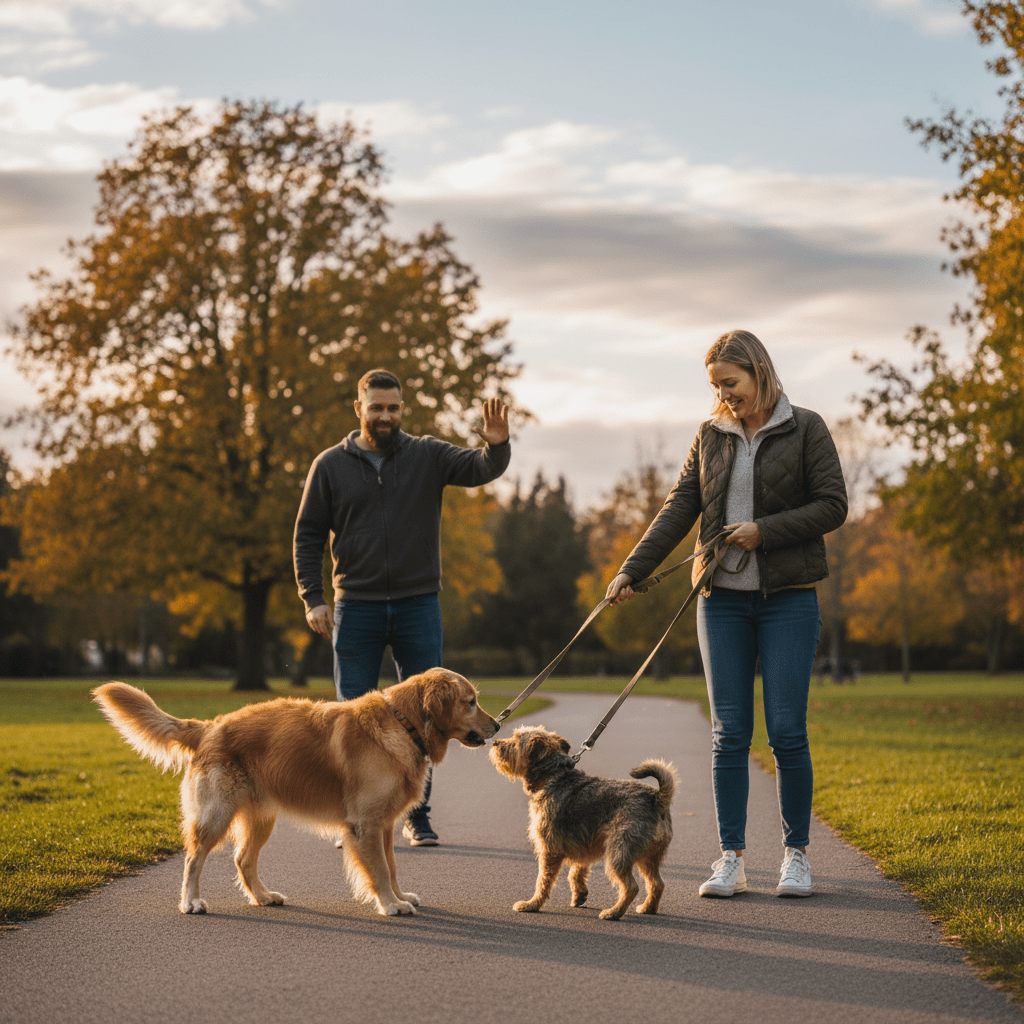
On-leash greetings are notoriously tricky and are a common source of reactivity and conflict. The tension of the leash, combined with the lack of space to retreat, can quickly turn a simple “hello” into a stressful event. A best practice for managing these encounters is the “three-second rule.” Allow the dogs to approach each other with loose leashes—a tight leash signals tension and can trigger a defensive reaction. Let them engage in their sniffing ritual for no more than three seconds, then cheerfully call your dog away with a command like “Let’s go!” and reward them for disengaging. This keeps the interaction short, sweet, and prevents it from escalating if one dog becomes overly fixated or uncomfortable. Your own energy is critical here; if you are anxious and tighten the leash, your dog will pick up on your stress. Stay relaxed, breathe, and project calm confidence. Mastering this controlled greeting prevents the development of leash reactivity and teaches your dog polite social skills. For a visual guide on fostering polite interactions, watching demonstrations from professional trainers can be incredibly helpful.
What if My Dog is the Over-Sniffer (or Gets Over-Sniffed)?
Not all dogs have perfect social skills. Some may be overly enthusiastic sniffers, lingering too long and ignoring the other dog’s signals of discomfort. If your dog is the culprit, it’s important to work on recall and disengagement cues. Train a solid “leave it” or “watch me” command in low-distraction environments and gradually apply it to social situations. Reward your dog heavily for choosing to disengage from another dog when you ask. This isn’t about punishing the sniffing but about teaching your dog self-control and respect for canine social boundaries. If, on the other hand, your dog is frequently the target of unwanted, persistent sniffing, your role is to be their advocate. You have every right to protect your dog’s space. You can do this by physically stepping between your dog and the other dog to block the interaction, or by simply turning and walking away. A polite “He’s a bit shy and needs some space” to the other owner is usually all that’s needed. Building these management skills through consistent, positive reinforcement methods is key to creating a confident and well-adjusted dog. Resources from experts in positive reinforcement training offer a wealth of techniques for teaching these essential life skills.
Beyond the Butt: Other Forms of Scent Communication
While butt sniffing is the most direct and information-rich form of greeting, it is just one component of a dog’s complex scent-based communication system. Urine marking is another prominent example. When a dog urinates on a tree, fire hydrant, or fence post, they are not just relieving themselves; they are leaving a “pee-mail” for other dogs. This scent message contains much of the same information found in their glandular secretions—identity, status, and health—creating a dynamic social map of the neighborhood. Other dogs come along, sniff this message, and may choose to leave a message of their own, often by urinating directly on top of the original mark. This behavior is more common in intact male dogs but is practiced by both sexes. Another subtle yet important form of scent communication is paw scratching. After urinating or defecating, many dogs will vigorously scratch the ground with their hind legs. While this does create a visual marker, its primary purpose is to deposit scent from the interdigital glands located between their paw pads. This adds another layer to their territorial message, a sort of signature at the bottom of their scent post. Understanding these other behaviors provides a more complete picture of how dogs use scent to perceive and interact with their world, a world far more detailed and aromatic than we can ever imagine. The health of these glands, and the clarity of the signals they send, can even be influenced by nutrition, making the process of [Choosing the Right Dog Food] an integral part of supporting your dog’s natural communication abilities. For a deeper scientific look into this incredible sensory world, veterinary resources on canine olfaction offer fascinating insights.
| Communication Method | Primary Purpose | Information Conveyed |
|---|---|---|
| Butt Sniffing | Direct Greeting & Social Assessment | Detailed, real-time data on identity, health, emotion |
| Urine Marking | Territorial Claim & Asynchronous Message | Identity, reproductive status, social standing (“I was here”) |
| Paw Scratching | Scent Dispersal & Visual Marker | Territorial emphasis, depositing scent from paw glands |
| Facial Sniffing | Less Common Greeting (Familiar Dogs) | Confirmation of identity, assessment of recent meals |
By embracing this fascinating aspect of our dogs’ nature, we move beyond mere ownership and become more attuned, empathetic partners in their lives. The next time you see your dog engaged in this seemingly awkward ritual, take a moment to appreciate the incredible amount of communication taking place. You are not just witnessing a sniff; you are witnessing a complex and eloquent conversation, spoken in a language of molecules and scent. Understanding this dialogue allows us to better support our dogs’ social needs, protect their well-being, and ultimately strengthen the unique and powerful bond we share with them.