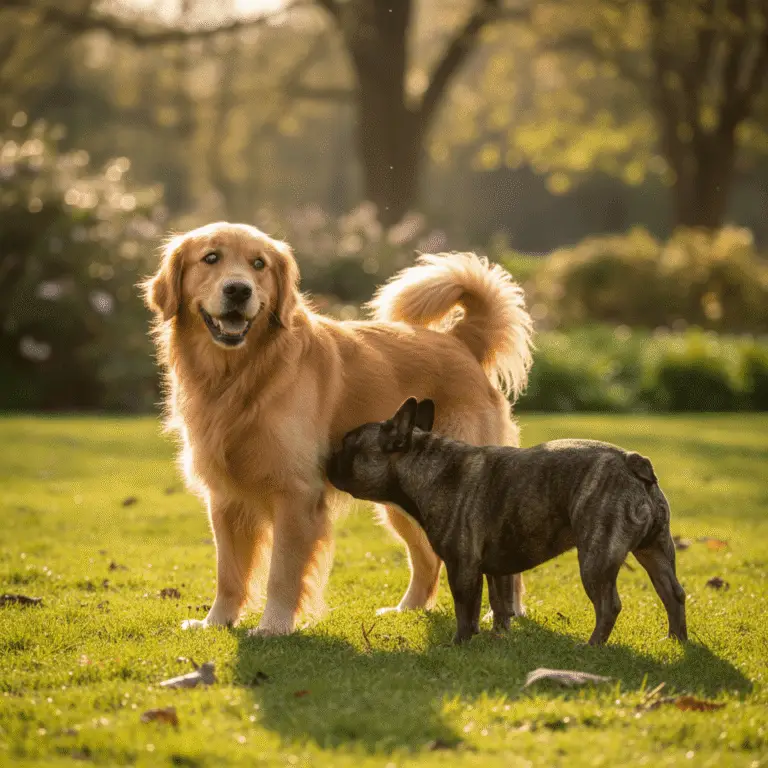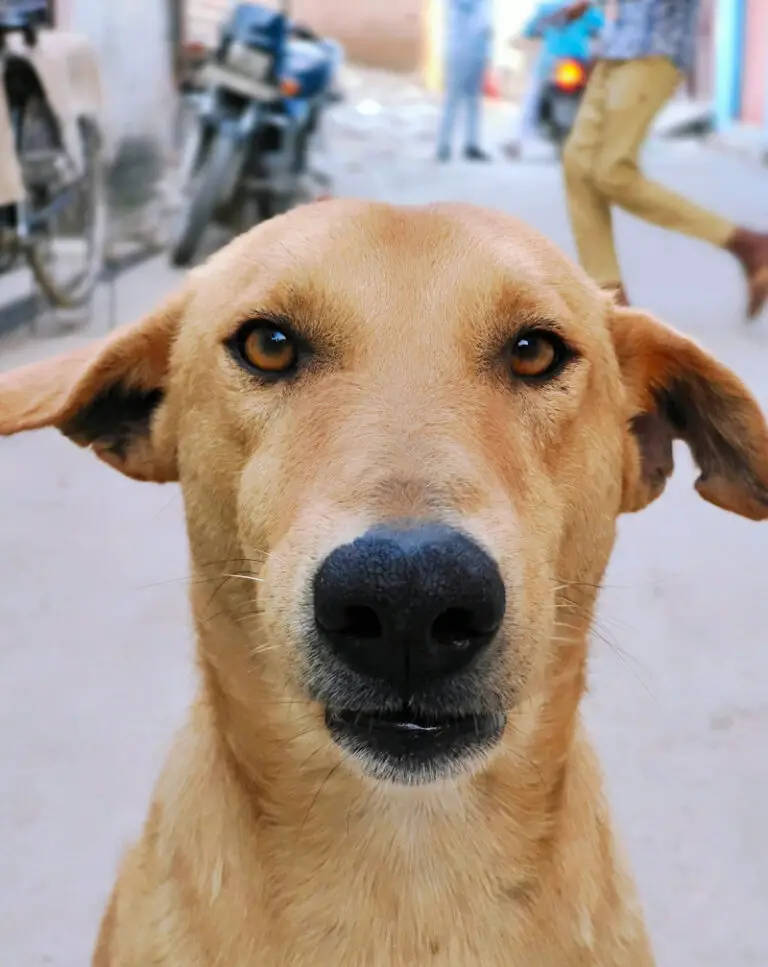

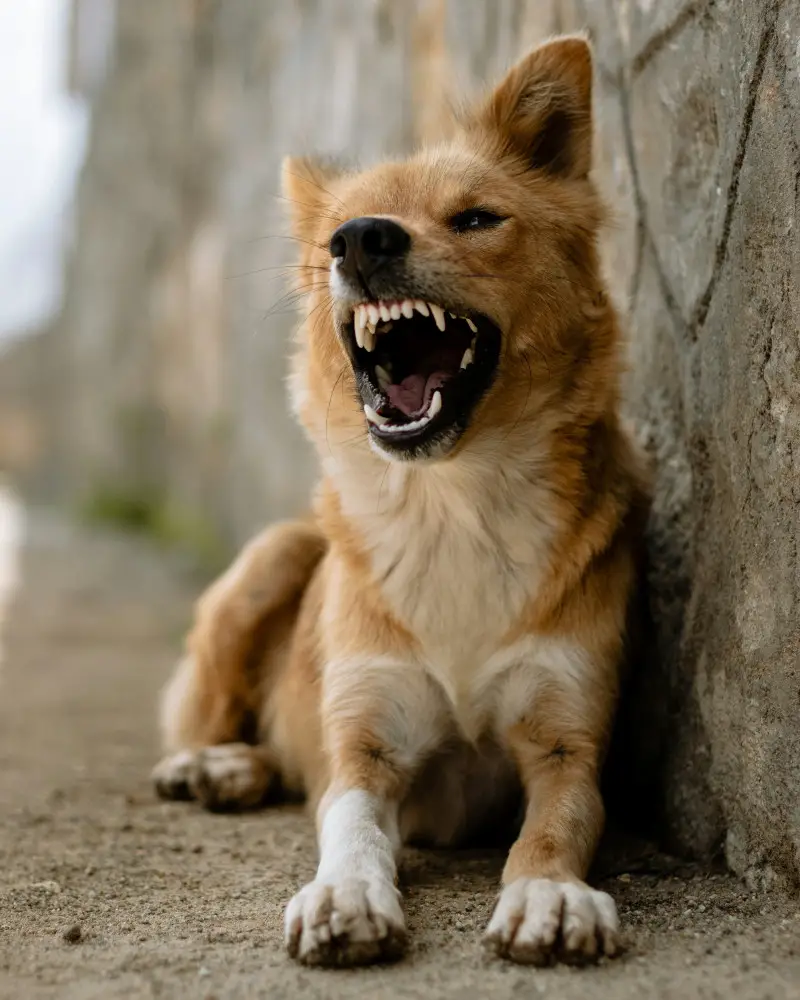
Dogs have an incredible way of keeping life interesting. Just when you think you’ve seen it all, your furry friend might suddenly burst into a wild sprint around the living room, zigzagging between furniture, spinning in circles, and leaping onto the couch with a look of pure joy. These hilarious episodes, often called “zoomies,” are one of the most weird things dogs do, and they never fail to make us laugh. Whether you’re a seasoned dog parent or new to the world of canine companionship, witnessing your pup’s zoomies can be both delightful and a little confusing.
It’s not just the zoomies that keep us guessing—dogs are full of strange dog behaviors and odd things that make them endlessly fascinating. From chasing their own tails to barking at invisible intruders, our canine companions have a knack for the unexpected. But there’s something especially captivating about those sudden bursts of energy. Why do dogs act so wild for no reason? Is it just a silly thing dogs do, or is there more to this peculiar dog habit?
Understanding the reasons behind zoomies can help pet parents appreciate their dogs’ unique personalities and even strengthen the bond they share. These moments of pure, unfiltered excitement are a reminder of the joy and spontaneity that dogs bring into our lives. Instead of worrying about your pup’s eccentric dog behavior, you might find yourself cheering them on or even joining in the fun. After all, life with dogs is never boring, and their quirky dog behavior is part of what makes them such beloved companions.
So, the next time your dog goes wild for no reason, remember that you’re witnessing one of the many bizarre dog activities that make dogs so special. Embracing these silly things dogs do can turn an ordinary day into an unforgettable adventure. Let’s dive into the world of zoomies and discover why our pups just can’t resist letting loose every now and then.
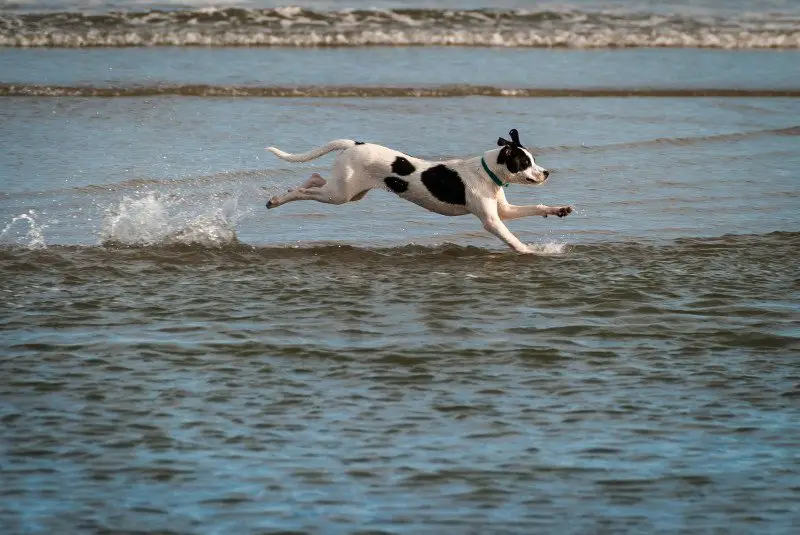
Photo by Matt Benson on Unsplash
Table of Contents
Understanding Zoomies
What Are Zoomies?
If you’ve ever watched your dog suddenly explode into a burst of energy, racing around the house or yard with wild abandon, you’ve witnessed one of the most entertaining and strange dog behaviors out there. These episodes are technically known as Frenetic Random Activity Periods, or FRAPs for short. The term might sound scientific, but it perfectly captures the essence of what’s happening: your dog is experiencing a sudden, uncontrollable urge to move, run, and play at top speed.
Zoomies can happen at almost any time, but there are a few scenarios where they’re especially common. Many pet parents notice their dogs acting weird right after a bath, as if shaking off the last drops of water isn’t enough—they need to sprint around the house to truly feel dry and free. Playtime is another prime moment for zoomies, especially when excitement levels are high or when a favorite toy comes out. Sometimes, dogs will get the zoomies after being cooped up for a while, like after a long nap or when their humans return home after a day away. It’s as if all the pent-up energy needs to be released in one glorious, high-speed dash.
Typical zoomies behavior is easy to spot once you know what to look for. Dogs often crouch down with their rear ends in the air, tails wagging furiously, and eyes sparkling with mischief. Then, without warning, they’ll take off—darting around corners, making sharp turns, and sometimes even leaping over obstacles in their path. The whole display is a mix of funny dog actions and athletic prowess, leaving everyone in the room either laughing or scrambling to move breakables out of the way. Some dogs will vocalize during zoomies, barking or play-growling as they race, while others are completely silent, focused only on the thrill of the run.
Zoomies aren’t just limited to puppies, though weird puppy behavior is often more frequent and intense. Adult dogs and even seniors can experience these bursts of energy, though the frequency and intensity may change with age. No matter when they happen, zoomies are a classic example of dogs doing strange things that make them so lovable and unpredictable.
Science Behind the Sprint
While zoomies might look like pure silliness, there’s actually a fascinating science behind this peculiar dog habit. The roots of zoomies can be traced back to instinctive behaviors inherited from wild ancestors. In the wild, canines needed to be agile and quick, whether chasing prey or escaping danger. These sudden bursts of energy helped them stay sharp and ready for anything. Even though our modern dogs live much more comfortable lives, those instincts haven’t disappeared—they just show up in new and often hilarious ways.
Energy buildup is a big part of why zoomies happen. Dogs, especially those with high energy levels or active breeds, can accumulate a lot of physical and mental energy throughout the day. When they don’t have enough outlets for that energy—like regular walks, play sessions, or mental stimulation—it can build up until it needs to be released all at once. That’s when you see your dog behaving oddly, tearing around the house in a frenzy. It’s their way of resetting and finding balance.
Zoomie patterns can vary widely depending on a dog’s age, breed, and personality. Puppies are notorious for their frequent and intense zoomies, as they’re still learning about their bodies and the world around them. Their energy seems limitless, and zoomies are just one of many silly things dogs do as they grow and explore. Certain breeds, especially those bred for work or sport, may have more pronounced zoomie episodes. Border Collies, Jack Russell Terriers, and other high-energy breeds are famous for their eccentric dog behavior and need for regular activity. On the other hand, older dogs or more laid-back breeds might experience zoomies less often, but when they do, it’s always a treat to watch.
Personality also plays a role. Some dogs are naturally more reserved, while others are outgoing and playful. The latter group is more likely to indulge in bizarre dog activities like zoomies, especially when they’re feeling happy or excited. Even within the same household, you might notice differences in how and when your dogs get the zoomies, adding to the list of odd things dogs do that keep life interesting.
Benefits of Zoomies
While zoomies might seem chaotic, they actually offer a range of benefits for both dogs and their humans. For starters, these bursts of activity are a fantastic way for dogs to burn off excess energy. Physical exercise is crucial for a dog’s overall health, and zoomies provide a quick, intense workout that gets the heart pumping and muscles moving. It’s a natural way for dogs to stay fit and agile, especially if they don’t always get long walks or play sessions every day.
But the benefits go beyond just physical health. Zoomies are also a sign of a happy, well-adjusted dog. When dogs feel safe, comfortable, and loved, they’re more likely to express themselves through quirky dog behavior like zoomies. It’s a form of emotional release, helping dogs shake off stress, anxiety, or boredom. After a stressful event—like a bath or a visit to the vet—zoomies can help dogs reset and return to their normal, playful selves. It’s one of those peculiar dog habits that serves a real purpose, even if it looks a little wild from the outside.
Zoomies also strengthen the bond between dogs and their humans. Watching your dog race around with pure joy is a reminder of the simple pleasures in life. Many pet parents find themselves laughing, cheering, or even joining in the fun, turning zoomies into a shared experience. These moments of connection are what make life with dogs so rewarding. Embracing your dog’s strange routines and celebrating their individuality helps build trust and deepen your relationship.
Finally, zoomies are a great reminder that dogs, like people, need outlets for their energy and emotions. Allowing your dog to express themselves through silly things dogs do is an important part of responsible pet ownership. As long as your pup is safe and the environment is secure, there’s no harm in letting them go wild every now and then. In fact, it’s one of the many ways dogs enrich our lives with their unpredictable and lovable personalities.
Other “Weird” Dog Behaviors Explained
Tail-Chasing: Fun vs. Concern
One of the most classic examples of dogs doing strange things is the age-old tail-chasing routine. It’s a sight that never fails to amuse—your dog spinning in circles, determined to catch that elusive tail. While this is often just one of those funny dog actions that make us laugh, there’s actually more to it than meets the eye. Understanding when tail-chasing is harmless fun and when it might signal something more serious can help you support your pup’s well-being.
For many dogs, tail-chasing is simply a form of play. Puppies, in particular, are notorious for this quirky dog behavior as they discover their bodies and learn how to move. It’s a way for them to burn off energy, practice coordination, and entertain themselves. In these cases, tail-chasing is just another example of weird puppy behavior that’s perfectly normal and even healthy. Adult dogs may also indulge in a quick spin now and then, especially during moments of excitement or boredom.
However, there are times when tail-chasing can be a sign of something more concerning. If your dog is obsessively chasing or biting their tail, it could be due to boredom, anxiety, or even a medical issue like fleas, allergies, or an injury. Dogs with odd habits like constant tail-chasing might be trying to cope with stress or discomfort. In some cases, it can become a compulsive behavior, similar to how people might bite their nails when anxious. If you notice your dog behaving oddly and tail-chasing becomes frequent or intense, it’s a good idea to consult your veterinarian to rule out any underlying health problems.
Supporting healthy play is all about balance. Encourage your dog’s playful side by providing plenty of toys, interactive games, and opportunities for exercise. If you notice your pup chasing their tail out of boredom, try introducing new activities or puzzle toys to keep their mind engaged. Redirect their attention with a game of fetch or a walk outside. By understanding the difference between normal play and problematic behavior, you can help your dog enjoy their silly things dogs do while keeping them happy and healthy.
Photo by Audrey Langlois on Unsplash
Howling at Odd Moments
Few things are as haunting—and sometimes hilarious—as a dog suddenly breaking into a howl. Whether it’s in response to a distant siren, a musical instrument, or just because the mood strikes, howling is one of those strange dog behaviors that can leave pet parents scratching their heads. But there’s a fascinating reason behind this peculiar dog habit, rooted in communication and social instincts.
Howling is a natural form of communication for dogs, inherited from their wolf ancestors. In the wild, wolves use howling to signal their location, gather the pack, or warn off intruders. Our domesticated pups may not have a pack to call, but the instinct remains strong. When your dog howls at odd moments, they might be responding to certain sounds that trigger this ancient behavior. Sirens, musical notes, or even another dog’s howl can set off a chorus, turning your living room into a canine concert hall.
Sometimes, howling is simply a way for dogs to get attention. If your pup notices that howling brings you running or earns them a treat, they might repeat the behavior just to see your reaction. This is especially true for dogs with odd habits who crave interaction and stimulation. In other cases, howling can be a sign of separation anxiety or loneliness, especially if it happens when you’re not home. Dogs behaving oddly in this way are often trying to communicate their feelings or needs.
Managing excessive howling starts with understanding the triggers. If your dog howls at specific sounds, try to minimize their exposure or provide distractions during those times. For attention-seeking howling, avoid reinforcing the behavior by staying calm and not immediately responding. Instead, reward your dog for quiet, calm behavior. If howling is linked to anxiety, consider providing comfort items, background noise, or even consulting a professional trainer for support. Remember, howling is just one of many bizarre dog activities that make our pups unique, and with a little patience, you can help them express themselves in healthier ways.
Rolling in Unusual Smells
Few things puzzle dog owners more than the sight of their beloved pup gleefully rolling in something stinky. Whether it’s a patch of grass, a mysterious spot on the sidewalk, or something far less pleasant, this is one of those odd things dogs do that can leave you both amused and exasperated. But as strange as it seems, there’s a fascinating evolutionary reason behind this behavior.
Rolling in unusual smells is a throwback to dogs’ wild ancestors, who used scent-marking as a way to communicate with their pack and mask their own scent from predators or prey. By covering themselves in strong odors, wild canines could blend into their environment or bring information back to the group. Today, our domesticated dogs don’t need to hide from predators, but the instinct to roll in interesting scents remains strong. It’s one of those peculiar dog habits that’s hardwired into their DNA.
But why do dogs find stinky stuff so irresistible? For dogs, the world is experienced primarily through their noses. Scents that seem unpleasant to us can be fascinating and even delightful to them. Rolling in a new or strong smell is a way for dogs to explore their environment and leave their own mark. It’s also a form of sensory enrichment, providing mental stimulation and satisfying their natural curiosity. While it might not be our favorite of their strange routines, it’s a normal part of canine behavior.
Of course, most pet parents would prefer to minimize the mess that comes with this particular quirky dog behavior. The best way to prevent your dog from rolling in something undesirable is to keep a close eye on them during walks and redirect their attention when they show interest in a suspicious spot. Teaching a strong “leave it” command can be invaluable for managing this and other bizarre dog activities. If your dog does manage to find something smelly, a quick bath and some patience are usually all it takes to restore them to their sweet-smelling selves.
Embracing your dog’s eccentric dog behavior, even when it involves a little extra cleanup, is part of the joy of sharing your life with a canine companion. These silly things dogs do are a reminder of their wild roots and their unique personalities. By understanding the reasons behind these behaviors, you can appreciate the full spectrum of what makes dogs so endlessly fascinating—and loveable.
Safe and Happy Zoomies
Creating a Safe Space
There’s nothing quite like watching your dog burst into a fit of zoomies, but as delightful as these funny dog actions are, safety should always come first. Dogs acting weird at top speed can easily bump into furniture, slip on floors, or even knock over unsuspecting family members. That’s why creating a zoomie-friendly environment is key to letting your pup enjoy their wild moments without worry.
Start by taking a look around your home and yard. Indoors, try to clear pathways where your dog tends to run. Move fragile items, secure loose rugs, and make sure there’s enough space for your dog to turn corners without crashing into walls or furniture. If you have hardwood or tile floors, consider adding some non-slip mats in your dog’s favorite zoomie zones to prevent slips and falls. For those with larger dogs or especially energetic breeds, it might be helpful to temporarily close doors to rooms with lots of breakables or sharp corners during zoomie time.
Outdoors, a fenced yard is ideal for safe zoomies. Check for any hazards like sharp objects, holes, or garden tools that could cause injury. Make sure gates are secure and that there’s plenty of open space for your dog to run freely. If you don’t have a yard, a local dog park or open field can be a great alternative, as long as it’s safe and enclosed. Always supervise your dog during outdoor zoomies, especially if there are other dogs or distractions around.
Sometimes, you may need to intervene if your dog’s zoomies get a little too wild. If your pup is heading toward something dangerous or seems to be getting overstimulated, calmly redirect their attention with a favorite toy or treat. Avoid chasing your dog, as this can turn into a game and make them run even faster. Instead, use a cheerful voice and positive reinforcement to guide them to a safer area. Remember, these silly things dogs do are all part of their natural energy release, so the goal is to keep them safe while letting them have fun.
By zoomie-proofing your home and yard, you’re setting the stage for your dog to enjoy their most eccentric dog behavior without risk. It’s just another way to show your love and care for your furry friend, ensuring that every burst of joy is as safe as it is entertaining.
Encouraging Healthy Energy Outlets
Zoomies are just one of many ways dogs express their excitement and burn off energy, but providing regular, healthy outlets for that energy can help prevent unwanted or destructive behaviors. Dogs with odd habits, like chewing on furniture or barking excessively, often just need more opportunities to move, play, and engage their minds.
Active games are a fantastic way to channel your dog’s energy in positive directions. Fetch, tug-of-war, and hide-and-seek are all great options that tap into your dog’s natural instincts and keep them physically fit. For breeds with lots of stamina, consider agility courses or structured play sessions at the dog park. Regular walks are also essential—not just for exercise, but for mental stimulation as your dog explores new sights and smells. Vary your routes and let your dog sniff around to satisfy their curiosity and prevent boredom.
Enrichment toys are another excellent tool for managing pent-up energy. Puzzle feeders, treat-dispensing balls, and interactive toys challenge your dog’s brain and keep them occupied, especially on days when outdoor play isn’t possible. These toys can help reduce the frequency of strange dog behaviors by providing a constructive outlet for your dog’s natural drive to explore and problem-solve. Rotate toys regularly to keep things fresh and exciting.
Sometimes, dogs behaving oddly or showing signs of overexcitement may need a little extra help. If your dog’s zoomies turn into aggression, or if they seem unable to calm down after play, it might be time to consult a professional trainer or behaviorist. These experts can help identify the root cause of unusual dog habits and develop a plan to address them. Remember, every dog is unique, and what works for one may not work for another. The key is to stay patient, observant, and open to trying new approaches.
By encouraging healthy energy outlets, you’re not just preventing bizarre dog activities from getting out of hand—you’re also supporting your dog’s overall well-being. A happy, well-exercised dog is less likely to develop problematic behaviors and more likely to enjoy life to the fullest, zoomies and all.

Photo by Noémi Macavei-Katócz on Unsplash
Joining in the Joy
One of the best parts of living with dogs is sharing in their spontaneous moments of happiness. When your pup gets the zoomies, it’s an invitation to celebrate life’s simple pleasures together. Joining in the fun can strengthen your bond and create lasting memories, turning even the most peculiar dog habits into cherished family traditions.
There are plenty of ways to participate in your dog’s zoomie sessions. If you have a safe, open space, try running alongside your dog or encouraging them with playful words and gestures. Some dogs love it when their humans get down on the floor and play chase or tug-of-war during a zoomie burst. Just be sure to keep safety in mind—avoid roughhousing in tight spaces or on slippery floors, and always watch for signs that your dog needs a break.
Capturing these moments on camera is another wonderful way to celebrate your dog’s unique personality. Whether it’s a blurry action shot or a hilarious video of your dog’s latest round of silly things dogs do, these memories are sure to bring a smile to your face for years to come. Share your favorite zoomie moments with friends and family, or join online communities of fellow dog lovers who appreciate the joy of dogs doing strange things. You might even inspire others to embrace their own pets’ quirky dog behavior!
Most importantly, remember that your enthusiasm and encouragement mean the world to your dog. When you laugh, cheer, and play along, you’re reinforcing the bond that makes your relationship so special. Dogs thrive on positive attention and love nothing more than sharing their happiness with their favorite humans. So the next time your dog goes wild for no reason, don’t just watch—join in the joy and make the most of every zoomie-filled moment.
Life with dogs is full of surprises, from the most bizarre dog activities to the sweetest displays of affection. By creating a safe space, encouraging healthy outlets, and celebrating your dog’s unique spirit, you’re helping them live their best, happiest life—zoomies and all.
Celebrating the Joy of Zoomies and Canine Quirks
There’s something truly magical about sharing your life with a dog. Every day brings a new adventure, a fresh round of laughter, and a reminder that happiness can be found in the simplest moments. Watching your pup burst into zoomies—those wild, energetic sprints that seem to come out of nowhere—is one of the purest joys of being a dog parent. These spontaneous displays of excitement are more than just funny dog actions; they’re a window into your dog’s playful spirit and zest for life. Whether it’s a puppy discovering the thrill of running at full speed or an older dog reliving their youthful days, zoomies are a celebration of freedom, happiness, and the unique bond you share.
But it’s not just the zoomies that make life with dogs so delightful. Every day is filled with strange dog behaviors, from tail-chasing and howling at odd moments to rolling in the most peculiar smells. These odd things dogs do might leave us scratching our heads, but they’re also a big part of what makes our furry friends so endearing. Embracing these unusual dog habits means accepting your dog for who they are—quirks, eccentricities, and all. It’s a reminder that dogs, like people, have their own personalities, preferences, and ways of expressing themselves. By observing and appreciating these moments, you’re not just a spectator; you’re an active participant in your dog’s world, sharing in their joy and wonder.
Welcoming the weird and wild moments is about more than just entertainment—it’s about building a deeper connection with your dog. When you laugh at their silly things, cheer them on during a round of zoomies, or comfort them after a particularly messy roll in the grass, you’re showing your dog that you love and accept them unconditionally. This trust and understanding form the foundation of a strong, healthy relationship. Dogs thrive when they feel safe, supported, and free to be themselves, and your willingness to embrace their quirky dog behavior helps them feel truly at home.
In the end, it’s these shared experiences—the zoomies, the bizarre dog activities, the moments of pure, unfiltered joy—that make life with dogs so rewarding. They remind us to find happiness in the present, to celebrate the little things, and to cherish the bond we share with our four-legged companions. So the next time your dog goes wild for no reason, let yourself be swept up in the moment. Laugh, play, and savor every second of the adventure. After all, these are the memories that make the journey together so unforgettable.